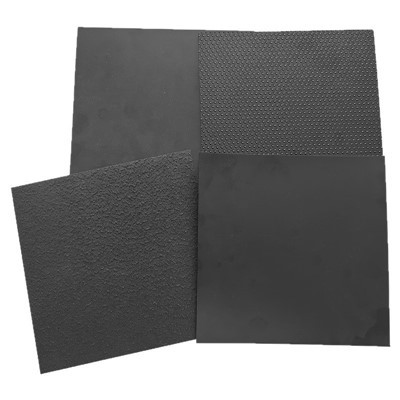
Hey there! As a supplier of Biaxial Plastic Geogrid, I often get asked about the installation cost. It's a valid question, considering that understanding the costs involved is crucial whether you're a contractor, engineer, or project manager looking to use this product. So, let's dive into what impacts the installation cost of Biaxial Plastic Geogrid and break it down step by step.
What is Biaxial Plastic Geogrid?
Before we talk about costs, let me briefly explain what Biaxial Plastic Geogrid is. It's a type of geosynthetic material made from high - density polyethylene or polypropylene polymers. The "biaxial" part means it offers high strength in both the machine and cross - machine directions. This unique feature gives it excellent load - distribution properties and makes it suitable for a variety of applications. You can find out more about its uses on the Biaxial Geogrids For Soil Reinforcement page.
Factors Affecting Installation Cost
1. Material Cost
The cost of the Biaxial Plastic Geogrid itself is a significant factor. The price can vary depending on the quality, strength, and size of the geogrid. For instance, a higher - strength geogrid designed for heavy - traffic roads will cost more than a standard one used for minor soil reinforcement projects. You can take a look at our PP Biaxial Geogrid options to get an idea of the different types and their potential costs.
2. Site Conditions
The condition of the installation site plays a huge role in determining the cost. If the site has uneven terrain, soft soil, or a lot of debris, it will require more preparation work. For example, soft soil may need to be compacted or replaced, which adds to the labor and equipment costs. On the other hand, a flat and stable site will have lower installation costs as less site preparation is needed.
3. Labor Cost
Labor cost is another major component. The number of workers required and the time it takes to install the geogrid determine this cost. If the installation is complex, such as in a large - scale highway project, it may require a skilled team of workers, which can increase the labor cost. Simple projects, like small residential retaining walls, can be installed with fewer workers, reducing the overall labor cost.


4. Equipment Cost
Depending on the size and nature of the project, specialized equipment may be needed. For large - scale projects, equipment like bulldozers, excavators, and compactors may be required for site preparation and installation. The rental or purchase cost of this equipment adds to the overall installation cost. If manual labor can handle the installation (for small projects), the equipment cost will be minimal.
Calculating the Installation Cost
To give you a rough idea of how to calculate the installation cost, let's use a simple formula as a starting point:
Total Installation Cost = Material Cost + Site Preparation Cost + Labor Cost + Equipment Cost
Let's break this down further with an example. Suppose you're working on a small road base reinforcement project.
- Material Cost: You need to cover an area of 100 square meters with a Biaxial Plastic Geogrid. If the price of the geogrid is $5 per square meter, the material cost will be 100 * $5 = $500. You can explore our options for Biaxial Geogrid For Road Base Reinforcement.
- Site Preparation Cost: The site is relatively flat, but you need to clear some small debris. You hire a worker for half a day at a rate of $100 per day. So, the site preparation cost is $50.
- Labor Cost: It takes two workers one day to install the geogrid. If each worker is paid $100 per day, the labor cost is 2 * $100 = $200.
- Equipment Cost: You only need some simple tools like shovels and rakes, which you already own. So, the equipment cost is $0.
In this case, the total installation cost would be $500 (material) + $50 (site preparation) + $200 (labor) + $0 (equipment) = $750.
However, for larger and more complex projects, the calculation becomes more involved. You'll need to consider factors like the length of the project, potential overtime pay for workers, and the cost of moving the equipment to and from the site.
Case Studies
Let's look at a couple of real - world case studies to better understand how the installation cost can vary.
Case Study 1: Small Residential Garden Retaining Wall
A homeowner wanted to build a small retaining wall in their garden to prevent soil erosion. The area to be reinforced was approximately 20 square meters. The homeowner purchased our Biaxial Plastic Geogrid at a cost of $6 per square meter, so the material cost was $120. The site was already relatively flat, and the homeowner did the site preparation and installation themselves, so the labor and equipment costs were minimal. In total, the installation cost was around $150, which included some basic tools and materials for fixing the geogrid.
Case Study 2: Large - Scale Highway Project
A construction company was working on a highway expansion project. The area requiring reinforcement was thousands of square meters. The company opted for a high - strength Biaxial Plastic Geogrid at a cost of $10 per square meter, resulting in a material cost in the tens of thousands of dollars. The site had soft soil, so extensive soil improvement work was needed, adding significantly to the site preparation cost. A large team of workers and heavy - duty equipment were used for the installation, driving up the labor and equipment costs. In the end, the installation cost was in the hundreds of thousands of dollars.
Ways to Reduce Installation Cost
If you're looking to cut down on the installation cost of Biaxial Plastic Geogrid, here are some tips:
- Plan Ahead: Proper planning can help you avoid unnecessary site preparation work and ensure that the installation process is smooth.
- Buy in Bulk: If you have a large project, buying the geogrid in bulk can often get you a discounted price.
- Choose the Right Geogrid: Select a geogrid that meets your project requirements but is not over - specified. This can save on material costs.
Conclusion
As you can see, the installation cost of Biaxial Plastic Geogrid depends on many factors, including material, site conditions, labor, and equipment. By understanding these factors and calculating the cost carefully, you can budget effectively for your project. Whether you're using it for soil reinforcement, ground stabilization (check out BX Geogrids For Ground Stabilisation), or road base reinforcement, Biaxial Plastic Geogrid is a great option.
If you're interested in purchasing Biaxial Plastic Geogrid for your project, don't hesitate to get in touch. We're here to help you choose the right product and can provide more detailed cost estimates based on your specific requirements.
References
- Engineering Association Publications on Geosynthetics
- Manufacturer's Guides for Biaxial Plastic Geogrid Installation