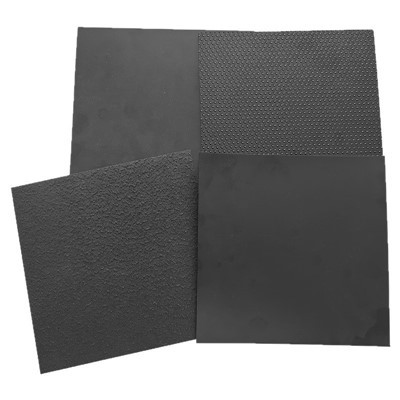
Hey there! As a supplier of Biaxial Plastic Geogrid, I've seen firsthand how crucial proper storage conditions are to maintain the quality and performance of this product. In this blog, I'll share with you what storage conditions are suitable for Biaxial Plastic Geogrid, so you can make sure your investment stays in top - notch shape.
Why the Right Storage Matters
First off, let's talk about why getting the storage conditions right is so important. Biaxial Plastic Geogrid is used in a wide range of applications, from soil stabilization to erosion control. If it's stored incorrectly, its physical properties can degrade, which means it won't perform as well when it's time to put it to work.
For example, exposure to extreme temperatures can cause the plastic to become brittle or soft. If it gets brittle, it might break easily during installation or use. On the other hand, if it becomes too soft, it won't provide the necessary strength and stability.
Temperature Considerations
The ideal temperature range for storing Biaxial Plastic Geogrid is between - 20°C and 60°C (- 4°F and 140°F). This range helps to keep the plastic in a stable state.
In cold temperatures, the plastic can become stiff and lose its flexibility. If you try to unroll or install it when it's too cold, it might crack. So, if you live in an area with cold winters, it's a good idea to store the geogrid in a heated space or wait for a warmer day to handle it.
On the flip side, high temperatures can make the plastic expand and warp. This can change the grid's shape and dimensions, which can affect its performance. For instance, if the grid is used for Geo Grids For Gravel and it warps, it won't be able to hold the gravel in place as effectively. So, during hot summers, try to store the geogrid in a shaded and well - ventilated area.
Humidity and Moisture
Humidity and moisture can also have a big impact on Biaxial Plastic Geogrid. While the plastic itself is relatively resistant to water, prolonged exposure to high humidity can cause problems.
If the storage area is too humid, moisture can accumulate on the surface of the geogrid. This can lead to the growth of mold and mildew, which not only looks bad but can also weaken the plastic over time. Also, excess moisture can affect the adhesion properties of any coatings or treatments on the geogrid.
To prevent these issues, the storage area should have a relative humidity of less than 70%. You can use dehumidifiers in enclosed storage spaces to control humidity levels. If the geogrid is stored outdoors, make sure it's covered with a waterproof tarp to keep rain and snow off.
UV Exposure
Ultraviolet (UV) rays from the sun can be a real enemy of Biaxial Plastic Geogrid. UV radiation can break down the chemical bonds in the plastic, causing it to become brittle, fade in color, and lose its strength.
That's why it's crucial to keep the geogrid out of direct sunlight as much as possible. If it's stored outdoors, use a UV - resistant cover. Most of the geogrids we supply come with some level of UV protection, but long - term exposure can still cause damage.
For indoor storage, keep the geogrid away from windows where sunlight can reach it. If you need to store it in a warehouse with skylights, make sure to cover the skylights or use curtains to block the UV rays.
Storage Location
The location where you store the Biaxial Plastic Geogrid also matters. It should be a clean and dry area, free from sharp objects and chemicals.
Sharp objects can puncture or tear the geogrid, rendering it useless. So, make sure there are no nails, glass shards, or other sharp items in the storage area.
Chemicals, such as solvents, acids, or alkalis, can react with the plastic and damage it. Avoid storing the geogrid near areas where these chemicals are used or stored.
If you're storing the geogrid in a stack, make sure the stack is stable and the layers are evenly distributed. Uneven stacking can put extra stress on the geogrid at the bottom of the stack, causing it to deform.
Type of Storage
There are different ways to store Biaxial Plastic Geogrid, depending on the quantity and the available space.
Roll Storage
Most often, Biaxial Plastic Geogrid comes in rolls. When storing the rolls, make sure they are placed on a flat and level surface. You can stack the rolls on top of each other, but limit the height of the stack to prevent damage to the bottom rolls.
Rolls should be stored horizontally. Storing them vertically can cause the grid to stretch or become misshapen over time. If possible, use storage racks designed for roll storage. These racks can keep the rolls organized and protected.
Bulk Storage
If you have a large quantity of geogrid, you might consider bulk storage. In this case, it's even more important to have a clean and dry storage area. You can use pallets to keep the geogrid off the ground and use stretch wrap or shrink wrap to protect it from dust and moisture.
Compatibility with Other Materials
When storing Biaxial Plastic Geogrid, you need to consider its compatibility with other materials in the storage area.
Avoid storing it with materials that can cause abrasion or chemical reactions. For example, don't store it next to rough - textured building materials like bricks or concrete blocks. These can rub against the geogrid and cause damage.
Also, as mentioned earlier, keep it away from chemicals. If there are any solvents or cleaning products in the storage area, make sure they are properly sealed and stored in a separate area.
Inspection and Maintenance
Regular inspection of the stored Biaxial Plastic Geogrid is a must. Check for any signs of damage, such as tears, punctures, or discoloration. If you notice any issues, address them immediately.
For minor damage, you might be able to repair the geogrid using appropriate repair materials. However, if the damage is severe, it might need to be replaced.
Keep the storage area clean and free from debris. A clean environment reduces the risk of damage to the geogrid.


Conclusion
Proper storage conditions are essential for maintaining the quality and performance of Biaxial Plastic Geogrid. By controlling the temperature, humidity, and UV exposure, and choosing the right storage location and method, you can ensure that your geogrid is in good condition when it's time to use it.
If you're in the market for high - quality Biaxial Plastic Geogrid, we've got a great range of products. We offer Extruded Geogrid, Erosion Control Geogrid, Bidirectional Geogrid, and Biaxial Geogrid Rolls For Soil Stabilisation. If you have any questions about our products or the storage conditions, feel free to reach out. We're here to help you make the best choice for your project. Let's start a conversation and see how we can work together!
References
- ASTM International. (Year). Standard specifications for geosynthetics.
- Geosynthetic Institute. (Year). Guidelines for geogrid storage and handling.