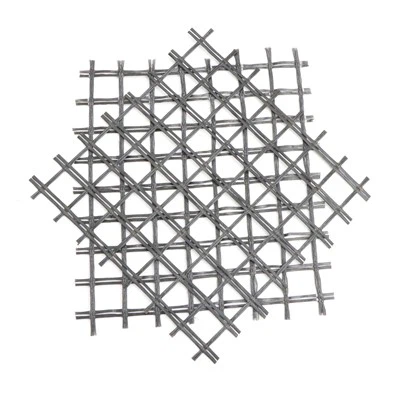

Hey there! I'm a supplier of fiberglass geogrids, and today I wanna chat about what types of soil are suitable for these awesome products. Fiberglass geogrids are super useful in a bunch of construction and civil engineering projects, but not all soils are a good match. Let's dig into it!
1. Sandy Soil
Sandy soil is one of the most common types out there. It's made up of large particles, which means it drains really well. This is great for fiberglass geogrids because they work best in well - drained conditions. When you install a Glass Fiber Geogrid in sandy soil, it can help with soil stabilization. The grid's structure interlocks with the sand particles, preventing them from shifting around too much.
For example, in road construction on sandy terrain, the geogrid can distribute the load from traffic more evenly across the soil. This reduces the chances of rutting and uneven settling. Sandy soil also allows for easy installation of the geogrid. You can lay it down smoothly without having to deal with a lot of compaction issues.
2. Gravelly Soil
Gravelly soil is another type that's well - suited for fiberglass geogrids. Gravel particles are larger than sand, and they provide a stable base. When you use a Fiberglass Reinforced Geogrid in gravelly soil, it can enhance the overall strength of the soil structure.
The geogrid acts as a reinforcement, holding the gravel particles together. This is especially important in areas where there's a lot of heavy traffic or where slopes need to be stabilized. In retaining wall construction, for instance, a fiberglass geogrid can be placed between layers of gravel to prevent the wall from collapsing. The grid's high tensile strength helps to transfer the forces from the soil and the wall evenly, ensuring long - term stability.
3. Silty Soil
Silty soil has smaller particles than sand and gravel. It can hold more water, which can be a bit of a challenge. However, fiberglass geogrids can still be used effectively in silty soil. The key is to make sure the soil is properly compacted before installing the geogrid.
When the geogrid is placed in silty soil, it helps to improve the soil's shear strength. It prevents the soil from sliding or deforming under load. In flood - prone areas with silty soil, a geogrid can be used to reinforce embankments and prevent erosion. The grid's structure traps the silty particles, reducing the risk of soil loss during heavy rainfall.
4. Clayey Soil
Clayey soil is a bit more difficult to work with compared to the other types. It has very fine particles and can become very sticky when wet. But that doesn't mean fiberglass geogrids can't be used. In fact, they can be a great solution for clayey soil problems.
When you install a geogrid in clayey soil, it can help to reduce the swelling and shrinking of the clay. The grid provides a stable framework that restricts the movement of the clay particles. This is important in areas where buildings or roads are constructed on clayey soil. By using a fiberglass geogrid, you can prevent cracks and damage caused by the soil's natural expansion and contraction.
5. Loamy Soil
Loamy soil is often considered the ideal soil type for many applications. It's a mixture of sand, silt, and clay, which gives it good drainage and fertility. Fiberglass geogrids work really well in loamy soil because they can enhance the soil's already good properties.
In agricultural applications, a geogrid can be used to prevent soil erosion on sloped fields. It helps to keep the soil in place, allowing plants to grow better. In construction projects, loamy soil with a fiberglass geogrid provides a strong and stable base. The grid's reinforcement helps to distribute the load evenly, reducing the risk of settlement.
Why Choose Our Fiberglass Geogrids?
As a supplier of fiberglass geogrids, I can tell you that our products are top - notch. We use high - quality glass fibers that are strong and durable. Our geogrids are designed to withstand harsh environmental conditions, whether it's extreme heat, cold, or moisture.
We also offer a variety of grid sizes and configurations to meet different project needs. Whether you're working on a small residential project or a large - scale infrastructure development, we've got the right geogrid for you.
How to Determine the Right Soil - Geogrid Combination
Before starting a project, it's important to conduct a soil analysis. This will help you understand the properties of the soil, such as its particle size, moisture content, and shear strength. Based on the results of the soil analysis, you can choose the appropriate fiberglass geogrid.
If you're not sure how to do a soil analysis or which geogrid to choose, don't worry! Our team of experts is here to help. We can provide you with detailed advice and guidance to ensure that you get the best results for your project.
Conclusion
In conclusion, fiberglass geogrids can be used in a variety of soil types, including sandy, gravelly, silty, clayey, and loamy soils. Each soil type has its own characteristics, and the geogrid can be customized to work effectively in different conditions.


If you're interested in purchasing fiberglass geogrids for your project, don't hesitate to reach out. We're here to answer any questions you may have and help you find the perfect solution for your soil stabilization needs. Let's work together to make your project a success!
References
- Das, B. M. (2010). Principles of Geotechnical Engineering. Cengage Learning.
- Holtz, R. D., Kovacs, W. D., & Sheahan, T. C. (2011). An Introduction to Geotechnical Engineering. Pearson.