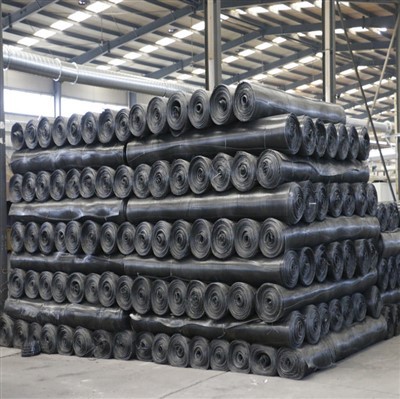
Are there different shapes of geocells?
As a geocell supplier, I often get asked about the various shapes of geocells available in the market. Geocells are three - dimensional honeycomb - like structures made from high - density polyethylene (HDPE) or other polymers. They are widely used in civil engineering, environmental protection, and landscaping projects for soil stabilization, erosion control, and load support.
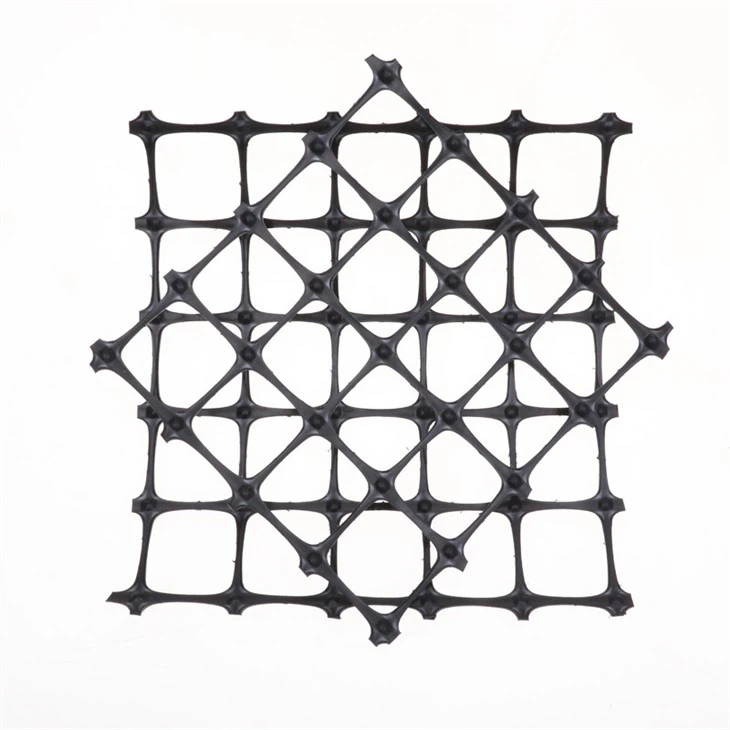

Common Shapes of Geocells
Square Geocells
Square - shaped geocells are one of the most common types. The square shape provides a regular and uniform pattern, which is beneficial for evenly distributing loads. In soil stabilization projects, square geocells can effectively confine the soil within each cell, preventing lateral movement. This is especially useful in areas where there is a risk of soil erosion, such as on slopes. The square cells can hold the soil in place, reducing the chances of landslides and soil displacement.
For example, in a highway construction project, square geocells can be used to reinforce the embankment. The regular shape allows for easy installation and alignment, ensuring that the geocell system provides consistent support across the entire area. The square cells also make it easier to fill with soil or aggregate, as the corners of the cells provide a clear boundary for the filling material.
Rectangular Geocells
Rectangular geocells offer more flexibility in terms of installation and application. They can be oriented in different directions depending on the specific requirements of the project. In some cases, rectangular geocells may be more suitable for long and narrow areas, such as along the edges of a road or a railway track.
The elongated shape of rectangular geocells can also be advantageous in situations where there is a need to direct the flow of water or other fluids. For instance, in a drainage system, rectangular geocells can be installed in a way that channels water towards a specific outlet, improving the overall efficiency of the drainage.
Triangular Geocells
Triangular geocells are less common but have unique properties. The triangular shape provides excellent structural stability. Triangles are inherently strong geometric shapes, and when used in geocell form, they can withstand high compressive forces.
In projects where high - load bearing capacity is required, such as in heavy - duty industrial areas or large - scale infrastructure projects, triangular geocells can be a great choice. They can distribute the load more evenly across the structure, reducing the risk of local stress concentrations.
Factors Influencing Shape Selection
Project Requirements
The specific requirements of the project play a crucial role in determining the shape of the geocell. If the project involves stabilizing a large, flat area, square geocells may be the most appropriate choice due to their uniform load - distribution properties. On the other hand, if the area is irregularly shaped or has specific drainage requirements, rectangular or triangular geocells may be more suitable.
For example, in a coastal protection project, where wave action and water flow need to be managed, the shape of the geocell can be selected based on the direction of the waves and the desired water flow pattern. Rectangular geocells may be used to direct water along the shoreline, while triangular geocells can provide additional stability against the impact of the waves.
Soil Conditions
The type of soil at the project site also affects the choice of geocell shape. In loose or sandy soils, square or rectangular geocells can be more effective in confining the soil and preventing it from spreading. The cells hold the soil in place, increasing its shear strength.
In cohesive soils, triangular geocells may be a better option as they can provide more structural support and resist the forces exerted by the soil. The triangular shape helps to distribute the forces evenly, reducing the risk of soil failure.
Our Product Range and Related Products
As a geocell supplier, we offer a wide range of geocell shapes to meet the diverse needs of our customers. In addition to geocells, we also supply related geosynthetic products. For example, we offer PP Biaxial Geogrid, which is a high - strength geogrid used for soil reinforcement. The biaxial design provides strength in both the longitudinal and transverse directions, making it suitable for a variety of applications, such as road construction and slope stabilization.
We also have UX Uniaxial Geogrid, which is designed to provide high strength in one direction. This type of geogrid is often used in applications where there is a need for reinforcement in a specific direction, such as in retaining walls or embankments.
Another product in our portfolio is Bx Geogrid, which offers excellent performance in soil reinforcement. The biaxial structure of the Bx Geogrid helps to distribute loads evenly, enhancing the stability of the soil.
Contact Us for Geocell and Related Product Procurement
If you are involved in a project that requires geocells or related geosynthetic products, we are here to help. Our team of experts can assist you in selecting the right shape and type of geocell based on your specific project requirements. We have extensive experience in the industry and can provide you with high - quality products at competitive prices.
Whether you are working on a small - scale landscaping project or a large - scale infrastructure development, we can offer customized solutions to meet your needs. Contact us today to start a discussion about your geocell procurement and let us help you achieve the best results for your project.
References
- Koerner, R. M. (2012). Designing with Geosynthetics. Pearson.
- Bonaparte, R., & Daniel, D. E. (1996). Geosynthetics in Geotechnical Engineering. CRC Press.
- Giroud, J. P., & Han, J. (2004). Geosynthetics in Civil Engineering. Taylor & Francis.