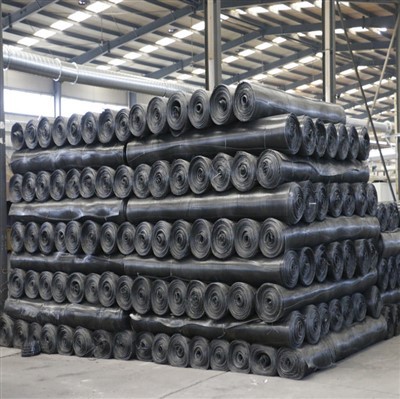
Slopes are a common geographical feature in various landscapes, ranging from natural hillsides to engineered embankments. However, slopes are prone to erosion, landslides, and instability, which can pose significant risks to infrastructure, property, and human safety. Biaxial geogrids have emerged as a powerful solution for slope stabilization and management. As a leading biaxial geogrid supplier, I am excited to share the diverse applications of biaxial geogrids on slopes.


1. Soil Reinforcement
One of the primary applications of biaxial geogrids on slopes is soil reinforcement. Biaxial geogrids are made of high - strength polymers, such as polypropylene or polyethylene, and have a grid - like structure with apertures. When installed in the soil on a slope, the geogrid interlocks with the soil particles, providing additional strength and stability.
The biaxial geogrid distributes the load across a larger area, reducing the stress on the soil. This is particularly important on slopes where the gravitational forces can cause the soil to move downwards. By reinforcing the soil, the geogrid helps to prevent soil erosion and slope failure. For example, in a highway embankment slope, the biaxial geogrid can be placed at regular intervals within the soil layers. This reinforcement increases the shear strength of the soil, allowing the slope to maintain its shape and stability over time.
Our Bx Geogrid is a high - quality biaxial geogrid product that offers excellent soil reinforcement capabilities. It has a well - designed grid structure that effectively interlocks with the soil, providing long - term stability for slopes.
2. Erosion Control
Erosion is a major problem on slopes, especially in areas with high rainfall or strong winds. Biaxial geogrids play a crucial role in erosion control. The geogrid acts as a physical barrier that slows down the flow of water or wind across the slope surface. This reduces the erosive force of the water or wind, preventing the soil from being washed or blown away.
When the biaxial geogrid is installed on a slope, it creates a rough surface that disrupts the laminar flow of water. This causes the water to flow more slowly, allowing the soil particles to settle and remain in place. In addition, the geogrid can hold vegetation in place. Vegetation is an important natural erosion control measure, as the roots of plants help to bind the soil together. The biaxial geogrid provides a stable base for the vegetation to grow, enhancing the overall erosion control effect.
Our Biaxial Geogrid Rolls For Soil Stabilisation are specifically designed for erosion control on slopes. These rolls are easy to install and can be customized to fit different slope sizes and shapes.
3. Vegetation Support
Vegetation is a key component in slope stabilization. It not only helps with erosion control but also improves the aesthetic value of the slope. Biaxial geogrids provide support for vegetation growth on slopes.
The geogrid creates a stable environment for seeds to germinate and plants to grow. It holds the soil in place, preventing it from being washed away during heavy rainfall or other adverse weather conditions. The grid structure also allows for the passage of air, water, and nutrients to the plant roots, promoting healthy plant growth.
In addition, the biaxial geogrid can protect the young plants from being damaged by surface runoff or wind. As the plants grow, their roots penetrate through the geogrid, further enhancing the stability of the slope. For instance, in a re - vegetated slope project, the biaxial geogrid can be installed first, followed by the sowing of seeds. The geogrid provides a secure foundation for the plants to establish themselves and thrive.
4. Slope Restoration
Slopes that have been damaged by natural disasters, such as landslides or floods, or by human activities, such as construction, often require restoration. Biaxial geogrids are an effective tool for slope restoration.
During the restoration process, the biaxial geogrid can be used to reinforce the soil and prevent further erosion. It can also help to reshape the slope to its original or desired configuration. For example, if a landslide has occurred on a slope, the geogrid can be installed in the affected area to stabilize the soil and prevent future landslides. After the geogrid is installed, new soil can be added, and vegetation can be planted to restore the slope's ecological balance.
Our Biaxial Plastic Geogrid is suitable for slope restoration projects. It is durable, resistant to environmental factors, and can provide long - term support for the restored slope.
5. Retaining Wall Construction
Biaxial geogrids are also used in the construction of retaining walls on slopes. Retaining walls are structures that are designed to hold back soil and prevent it from collapsing. When biaxial geogrids are incorporated into the retaining wall design, they enhance the stability of the wall.
The geogrid is placed within the backfill soil behind the retaining wall. It acts as a reinforcement, increasing the shear strength of the soil and reducing the lateral pressure on the wall. This allows the retaining wall to be built taller and more stable. In addition, the use of biaxial geogrids in retaining wall construction can reduce the amount of concrete or other construction materials required, making the project more cost - effective.
6. Protection of Infrastructure on Slopes
Infrastructure such as roads, railways, and buildings located on slopes is at risk of damage due to slope instability. Biaxial geogrids can be used to protect this infrastructure.
By reinforcing the soil around the infrastructure, the geogrid helps to prevent soil movement and settlement. This reduces the risk of damage to the infrastructure caused by slope failure. For example, in a road built on a slope, the biaxial geogrid can be installed beneath the road surface to improve the stability of the underlying soil. This ensures the long - term integrity of the road and reduces maintenance costs.
Conclusion
Biaxial geogrids offer a wide range of applications on slopes, including soil reinforcement, erosion control, vegetation support, slope restoration, retaining wall construction, and infrastructure protection. As a biaxial geogrid supplier, we are committed to providing high - quality products that meet the diverse needs of our customers.
If you are involved in a slope - related project and are looking for reliable biaxial geogrid solutions, we invite you to contact us for a detailed discussion. Our team of experts can provide you with professional advice and customized solutions based on your specific requirements.
References
- Koerner, R. M. (2012). Designing with Geosynthetics. Pearson Prentice Hall.
- Bonaparte, R., & Daniel, D. E. (1990). Geosynthetics for waste containment. Van Nostrand Reinhold.