
As a geogrids supplier, one of the most common questions I receive from clients is whether geogrids are easy to transport. This is a crucial concern, as the ease of transportation can significantly impact project timelines, costs, and overall efficiency. In this blog post, I will delve into the various aspects of geogrid transportation, exploring the factors that influence its ease and providing insights based on my experience in the industry.
Understanding Geogrids
Before discussing transportation, it's essential to understand what geogrids are and their types. Geogrids are polymeric materials with an open grid structure, designed to provide reinforcement in soil and other construction materials. They come in different types, including uniaxial, biaxial, and triaxial geogrids, each with unique properties and applications.
Uniaxial Geogrids For Civil Engineering are primarily used for applications where high strength is required in one direction, such as in retaining walls and embankments. Uniaxial Geogrid for Retaining Wall specifically caters to the needs of retaining wall construction, offering excellent tensile strength and stability. On the other hand, Triaxial Geogrid For Soil Stabilization is designed to provide reinforcement in multiple directions, making it ideal for soil stabilization projects.
Factors Affecting Geogrid Transportation
Several factors influence the ease of geogrid transportation, including the physical characteristics of the geogrids, packaging, and the mode of transportation.
Physical Characteristics
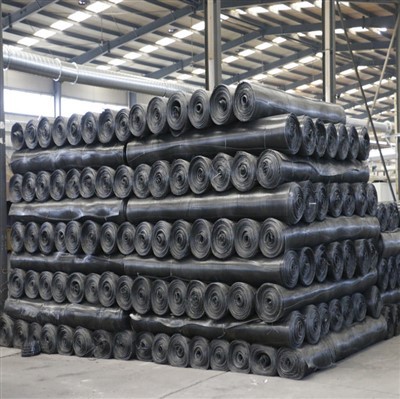
Geogrids are typically lightweight and flexible, which makes them relatively easy to handle and transport compared to other construction materials. Their open grid structure also reduces the overall weight and volume, allowing for more efficient use of transportation space. However, the size and shape of the geogrids can vary depending on the specific application, which may affect the ease of transportation. For example, large rolls of geogrids may require specialized equipment for handling and loading, while smaller sheets may be more manageable.
Packaging
Proper packaging is crucial for ensuring the safe transportation of geogrids. Geogrids are usually packaged in rolls or sheets, which are then wrapped in protective materials to prevent damage during transit. The packaging should be sturdy enough to withstand the rigors of transportation, including handling, stacking, and exposure to the elements. Additionally, the packaging should be designed to facilitate easy loading and unloading, as well as storage at the project site.
Mode of Transportation
The mode of transportation chosen for geogrid delivery can also impact its ease. Geogrids can be transported by various means, including trucks, trains, and ships. Each mode of transportation has its own advantages and limitations, and the choice depends on factors such as the distance to the project site, the quantity of geogrids to be transported, and the availability of transportation infrastructure.
Truck transportation is the most common method for delivering geogrids, as it offers flexibility and convenience. Trucks can be easily loaded and unloaded at the project site, and they can reach remote locations where other modes of transportation may not be accessible. However, truck transportation is limited by the size and weight capacity of the vehicle, which may require multiple trips for large orders.
Train transportation is a more cost-effective option for long-distance shipments, as it can carry large quantities of geogrids at a lower cost per unit. Trains also offer a more environmentally friendly alternative to truck transportation, as they produce fewer emissions. However, train transportation requires access to a railway network and may involve additional handling and transfer at the destination.
Ship transportation is suitable for international shipments or projects located near ports. Ships can carry large volumes of geogrids, making them ideal for large-scale projects. However, ship transportation is subject to longer transit times and may require additional customs clearance procedures.


Tips for Easy Geogrid Transportation
Based on my experience as a geogrids supplier, I have compiled the following tips to ensure easy and efficient transportation of geogrids:
Plan Ahead
Before placing an order for geogrids, it's important to plan ahead and consider the transportation requirements. This includes determining the quantity of geogrids needed, the delivery location, and the preferred mode of transportation. By planning ahead, you can ensure that the geogrids are delivered on time and in good condition.
Choose the Right Packaging
Selecting the appropriate packaging for geogrids is essential for protecting them during transportation. Choose packaging materials that are strong, durable, and resistant to moisture and damage. Additionally, ensure that the packaging is labeled clearly with the product name, quantity, and handling instructions.
Use Specialized Equipment
Depending on the size and weight of the geogrids, specialized equipment may be required for handling and loading. This includes forklifts, cranes, and pallet jacks. Using the right equipment can help to prevent damage to the geogrids and ensure safe and efficient transportation.
Coordinate with the Transportation Provider
Maintaining clear communication with the transportation provider is crucial for ensuring a smooth delivery process. Provide the transportation provider with detailed information about the geogrids, including the quantity, size, and weight, as well as the delivery location and schedule. This will help the transportation provider to plan the route and ensure that the geogrids are delivered on time.
Conclusion
In conclusion, geogrids are generally easy to transport due to their lightweight and flexible nature. However, several factors, such as physical characteristics, packaging, and mode of transportation, can influence the ease of transportation. By understanding these factors and following the tips provided, you can ensure that your geogrids are delivered safely and efficiently to your project site.
If you are interested in purchasing geogrids for your next project, I encourage you to contact us for more information. Our team of experts can help you choose the right geogrids for your specific needs and provide guidance on transportation and installation. We look forward to working with you to ensure the success of your project.
References
- Koerner, R. M. (2012). Designing with Geosynthetics. Pearson Prentice Hall.
- ASTM International. (2021). Standard Specification for Geogrids for Reinforcement of Soil and Other Granular Materials. ASTM D6637/D6637M-21.