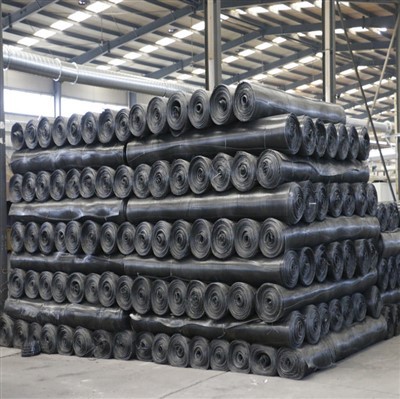
Yo, what's up everyone! As a supplier of geotextile bags, I often get asked this question: Can geotextile bags be filled with different materials? Well, let me break it down for you in this blog.
Geotextile bags are super versatile. They're made from a special kind of fabric that's strong, durable, and has amazing filtration properties. You've probably seen Geotextile Sandbags in flood - control projects, or Geotextile Fabric Bags being used in various construction and environmental applications.
Let's start by understanding why geotextile bags are so special. The material they're made from allows water to pass through while retaining the fill material inside. This makes them ideal for a whole bunch of uses.
Sand
Sand is probably the most common material used to fill geotextile bags. It's readily available, relatively inexpensive, and has good weight and density. When you fill geotextile bags with sand, they can be used for erosion control along riverbanks. The sand - filled bags create a barrier that helps prevent the water from washing away the soil. In flood - prone areas, sand - filled geotextile bags are stacked to form levees and floodwalls. They're also used in beach nourishment projects. The bags are placed on the beach, and over time, the sand inside helps to build up the shoreline.
Gravel
Gravel is another great option. It has larger particles compared to sand, which means better drainage. Geotextile bags filled with gravel are often used in drainage systems. They can be used as a filter medium in French drains. The gravel allows water to flow through quickly while the geotextile fabric prevents the finer soil particles from clogging the drain. In construction, gravel - filled geotextile bags can be used as a sub - base for roads or foundations. The bags provide stability and help distribute the load evenly.
Soil
Filling geotextile bags with soil is also a common practice. This is especially useful in landscaping and vegetation projects. You can use soil - filled geotextile bags to create terraces on hilly areas. These terraces can then be planted with grass or other vegetation. The geotextile fabric prevents the soil from eroding, while the plants help to further stabilize the slope. In wetland restoration projects, soil - filled geotextile bags can be used to create artificial islands or shorelines. The soil provides a suitable environment for wetland plants to grow.
Sludge and Sediment
Now, this might sound a bit strange, but geotextile bags can actually be filled with sludge and sediment. In wastewater treatment plants or dredging projects, there's a lot of sludge and sediment that needs to be managed. Geotextile bags come in handy here. When you fill them with sludge, the fabric allows the water in the sludge to drain out, gradually dewatering it. Over time, the solid part of the sludge remains inside the bag. These dewatered sludge - filled geotextile bags can then be used in land reclamation projects or as a part of landfill cover.
Coal Ash
Coal ash is a by - product of coal - fired power plants. It can pose an environmental hazard if not properly managed. Geotextile bags can be filled with coal ash. The bags act as a containment system, preventing the coal ash from leaching into the surrounding environment. The geotextile fabric allows the water to drain out, reducing the volume of the coal ash. In some cases, the coal - ash - filled geotextile bags can be used in construction as a lightweight aggregate substitute.
Other Materials
Depending on the application, you can also consider filling geotextile bags with materials like recycled concrete, crushed stone, or even industrial waste products. For example, recycled concrete can be used in abrasion - resistant barriers. Crushed stone - filled geotextile bags can be used to protect pipelines from damage.
However, there are some things to keep in mind when filling geotextile bags with different materials.
Compatibility
The first thing is the compatibility between the fill material and the geotextile fabric. Some materials might be corrosive or might chemically react with the fabric. For example, highly acidic or alkaline materials could break down the geotextile over time. So, it's important to choose a geotextile fabric that's resistant to the specific fill material.


Particle Size
The particle size of the fill material matters too. If the particles are too large, they might not stay properly contained within the bag. On the other hand, if the particles are too small, they could clog the pores of the geotextile fabric, reducing its filtration ability.
Weight and Compaction
The weight of the filled bags is also a significant factor. Heavier fill materials like gravel or wet soil require more sturdy geotextile bags. Also, proper compaction of the fill material inside the bag is necessary to ensure the integrity of the bag. If the material isn't compacted well, the bag might lose its shape and functionality.
So, to sum it up, geotextile bags can definitely be filled with different materials. And the choice of fill material depends on the specific application you have in mind. Whether you're doing a flood - control project, a construction job, or an environmental restoration project, there's a fill material that can work with geotextile bags.
If you're interested in purchasing geotextile bags for your project, don't hesitate to reach out for a quote. We have a wide range of geotextile bags that can be customized to meet your specific needs. Whether you need Geotextile Sandbags or Geotextile Fabric Bags, we've got you covered. Let's have a chat and discuss how we can help you with your project.
References
- Das, B. M. (2016). Principles of Geotechnical Engineering. Cengage Learning.
- Koerner, R. M. (2012). Designing with Geosynthetics. Pearson.
- National Association of Geosynthetic Installers. (n.d.). Geosynthetics Installation Manual.