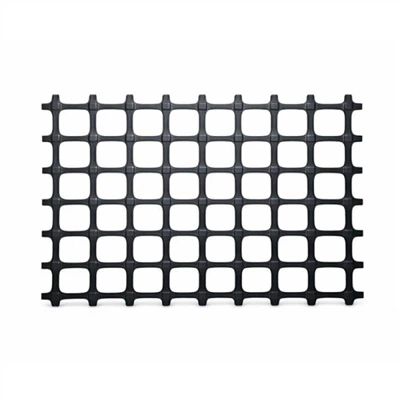

Soil-nailed walls are a popular and effective method for stabilizing slopes and retaining soil in various geotechnical engineering projects. These structures rely on the interaction between soil, nails, and the overall reinforcement system to achieve stability. One crucial component in the reinforcement of soil-nailed walls is the biaxial geogrid. As a leading supplier of biaxial geogrids, I am excited to delve into how these remarkable materials work in the reinforcement of soil-nailed walls.
The Basics of Soil-Nailed Walls
Soil-nailed walls are constructed by drilling and grouting steel or fiberglass nails into the soil, creating a composite structure that resists the lateral forces exerted by the soil. The nails act as reinforcements, increasing the shear strength and stability of the soil mass. However, to further enhance the performance of soil-nailed walls, biaxial geogrids are often incorporated into the system.
What is a Biaxial Geogrid?
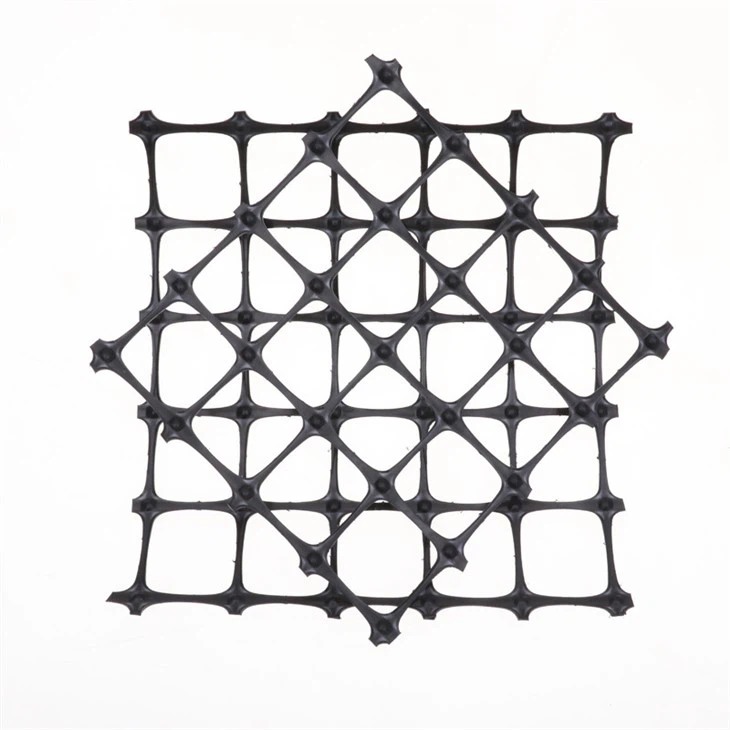
A biaxial geogrid is a geosynthetic material made from high-density polyethylene (HDPE) or other polymers. It consists of a network of ribs and nodes arranged in a regular pattern, creating a grid-like structure. The term "biaxial" refers to the grid's ability to provide reinforcement in two principal directions (usually the longitudinal and transverse directions), offering superior strength and stability compared to uniaxial geogrids, which only reinforce in one direction.
How Biaxial Geogrids Work in Soil-Nailed Walls
1. Load Distribution
One of the primary functions of a biaxial geogrid in a soil-nailed wall is to distribute the loads more evenly across the soil mass. When a load is applied to the wall, such as the weight of the soil or external forces, the geogrid helps to transfer the load from the point of application to a larger area. This reduces the stress concentration at the nail heads and along the soil-nail interface, preventing local failure and improving the overall stability of the wall.
For example, in a large-scale retaining wall project, the biaxial geogrid can spread the load from a concentrated area around the nails to a wider region of the soil. This is similar to how a spider's web distributes the force of a trapped insect across its entire structure, preventing it from tearing at a single point.
2. Reinforcement of the Soil Mass
Biaxial geogrids enhance the shear strength of the soil by interlocking with the soil particles. The grid's ribs and nodes create a mechanical bond with the soil, restricting the movement of the particles and increasing the soil's resistance to shear forces. This reinforcement effect is particularly important in loose or granular soils, where the soil particles have a tendency to slide and deform under load.
As the soil tries to move laterally, the geogrid acts as a barrier, holding the soil particles in place and preventing lateral displacement. This is comparable to how the skeletal structure of a building provides support and stability, preventing the walls from collapsing under external forces.
3. Reduction of Settlement
In addition to improving shear strength, biaxial geogrids can also help to reduce settlement in soil-nailed walls. By distributing the loads more evenly and reinforcing the soil mass, the geogrid reduces the compression and consolidation of the soil layers. This is especially beneficial in areas where the soil has low bearing capacity or is prone to settlement, such as soft clay or organic soils.
For instance, in a project built on soft soil, the biaxial geogrid can prevent excessive settlement by providing additional support and reducing the stress on the underlying soil layers. This ensures that the soil-nailed wall remains stable and maintains its intended shape over time.
4. Enhanced Resistance to Erosion
Biaxial geogrids can also play a role in protecting soil-nailed walls from erosion. The grid's structure provides a surface roughness that helps to dissipate the energy of flowing water, reducing the erosive forces acting on the soil. In addition, the geogrid can hold the soil in place, preventing it from being washed away by rain, runoff, or wind.
For example, in a coastal or riverside retaining wall project, the Erosion Control Geogrid can help to protect the soil from the erosive action of waves and currents. This not only preserves the integrity of the wall but also prevents soil loss and environmental degradation.
Types of Biaxial Geogrids for Soil-Nailed Walls
Carbon Fiber Geogrid
The Carbon Fiber Geogrid is known for its high strength, light weight, and excellent corrosion resistance. Made from carbon fibers, this type of geogrid offers superior performance in applications where high tensile strength is required, such as in large-scale soil-nailed walls or in structures exposed to harsh environmental conditions.
Steel Plastic Geogrid
A Steel Plastic Geogrid combines the strength of steel with the flexibility and corrosion resistance of plastic. The steel wires provide high tensile strength, while the plastic coating protects the steel from corrosion. This type of geogrid is suitable for use in soil-nailed walls where high load-bearing capacity and long-term durability are essential.
ASTM Geogrid
The ASTM Geogrid meets the strict standards set by the American Society for Testing and Materials (ASTM). These geogrids are manufactured to ensure consistent quality and performance, making them a reliable choice for geotechnical engineering projects, including soil-nailed walls.

Applications of Biaxial Geogrids in Soil-Nailed Walls
Retaining Walls
Biaxial geogrids are widely used in the construction of retaining walls, both for small residential projects and large-scale commercial developments. In retaining walls, the geogrid helps to increase the stability of the soil mass, reducing the risk of wall failure and providing support for the structure.
Slope Stabilization
Slope stabilization is another important application of biaxial geogrids in soil-nailed walls. By reinforcing the soil and distributing the loads, the geogrid can prevent slope failure and landslides, protecting the surrounding environment and infrastructure.
Road Construction
In road construction, biaxial geogrids are used to reinforce the subgrade and base layers of the pavement. This improves the bearing capacity of the soil, reduces rutting and cracking, and extends the service life of the road. For example, the Geo Grid For Driveway is specifically designed to provide reinforcement and stability for driveways and other low-traffic areas.
Conclusion
Biaxial geogrids play a crucial role in the reinforcement of soil-nailed walls. Through load distribution, soil reinforcement, settlement reduction, and erosion control, these geosynthetic materials enhance the stability and performance of soil-nailed walls in a variety of geotechnical engineering applications.
As a trusted supplier of biaxial geogrids, we are committed to providing high-quality products that meet the specific needs of our customers. Whether you are working on a small-scale residential project or a large industrial development, our extensive range of biaxial geogrids, including Carbon Fiber Geogrid, Steel Plastic Geogrid, and ASTM Geogrid, can provide the reinforcement and stability you require.
If you are interested in learning more about our biaxial geogrids or would like to discuss your specific project requirements, please feel free to contact us. Our team of experts is ready to assist you in selecting the right geogrid solution for your soil-nailed wall project and to provide you with the support and guidance you need throughout the procurement process.
References
- Koerner, R. M. (2012). Designing with Geosynthetics. Pearson.
- Bonaparte, R., & Christopher, B. R. (2007). Geosynthetics in Civil and Environmental Engineering. Wiley.
- FHWA. (2009). Mechanically Stabilized Earth Walls and Reinforced Soil Slopes: Design and Construction Guidelines. Federal Highway Administration.