As climate change continues to increase the frequency and intensity of extreme weather events, flood prevention and early warning systems have become more important than ever. Governments, infrastructure developers, and environmental engineers are constantly seeking reliable technologies to improve flood prediction accuracy and strengthen water management systems. Among the many geosynthetic solutions available today, geonets have emerged as an effective material for drainage control, soil stabilization, and flood monitoring applications.
With their advanced drainage structure and high-performance filtration capabilities, geonets play a significant role in both flood prevention and flood prediction systems. This article explores how geonets work, their role in modern flood management projects, and why they are becoming increasingly important in civil and environmental engineering.
What Is a Geonet?
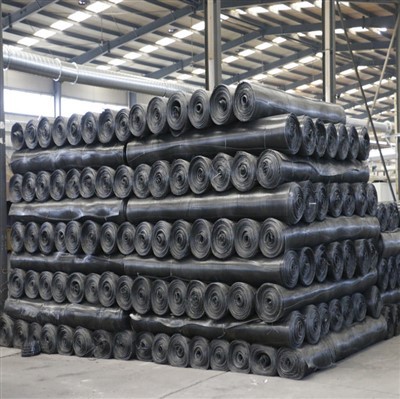
A geonet is a type of geosynthetic drainage material typically manufactured from high-density polyethylene (HDPE). It features a three-dimensional net-like structure designed to provide efficient liquid and gas flow within soil systems.
Geonets are commonly used in:
- Drainage systems
- Landfill engineering
- Road and railway construction
- Slope stabilization
- Retaining wall drainage
- Flood control projects
Several types of geonets are available depending on project requirements, including:
- High-strength HDPE geonets
- Composite drainage geonets
- Three-dimensional composite geonets
These products are often combined with geotextiles to create integrated drainage and filtration systems.
The Role of Geonets in Flood Prediction
1. Water Level Monitoring and Drainage Analysis
One of the most important functions of geonets in flood prediction is their ability to facilitate water flow monitoring.
When installed in flood-prone areas such as:
Riverbanks
Reservoirs
Coastal zones
Urban drainage systems
Low-lying land areas
geonets act as subsurface drainage channels that collect and direct excess water.
How Monitoring Works
Sensors integrated into geonet drainage systems can measure:
Water flow rates
Groundwater pressure
Moisture levels
Drainage efficiency
Sudden increases in water flow or pressure can indicate rising water levels upstream or excessive rainfall infiltration, both of which may signal an increased flood risk.
By analyzing this real-time data, engineers and local authorities can identify early warning signs and take preventive action before flooding occurs.
Soil Stabilization and Erosion Prevention
Flooding often causes severe soil erosion, slope instability, and even landslides. These secondary disasters can significantly worsen flood damage and disrupt drainage systems.
Geonets help stabilize soil by:
- Reinforcing soil structures
- Improving drainage efficiency
- Reducing hydrostatic pressure
- Preventing soil particle displacement
The three-dimensional structure of geonets helps maintain soil integrity even under heavy rainfall conditions.
Slope Protection Applications
In mountainous or hilly regions, intense rainfall may trigger landslides that block rivers and drainage channels. This can create dangerous water accumulation and flash flood conditions.
By reinforcing slopes and improving subsurface drainage, geonets help reduce landslide risks and improve the reliability of flood prediction systems.
Data Collection and Smart Monitoring Systems
Modern flood management increasingly relies on intelligent monitoring technologies. Geonets can be integrated into digital monitoring systems that continuously collect environmental data.
Typical Data Collected Includes:
- Soil moisture content
- Water pressure changes
- Flow velocity
- Ground saturation levels
- Drainage capacity performance
This information can be transmitted to centralized monitoring platforms for analysis using predictive software and AI-assisted flood forecasting systems.
- Continuous monitoring improves:
- Early warning accuracy
- Emergency response planning
- Infrastructure protection
- Disaster risk management
Geonets in Urban Flood Management
Urban flooding has become a major challenge due to rapid urbanization and the expansion of impermeable surfaces such as roads, parking lots, and buildings.
Traditional drainage systems often become overloaded during heavy storms, causing:
- Surface water accumulation
- Traffic disruption
- Property damage
- Infrastructure failure
Geonets offer an effective solution for sustainable urban drainage systems (SUDS).
Applications in Urban Infrastructure
Geonets are commonly installed in:
- Parking lots
- Green roofs
- Sports fields
- Underground drainage layers
- Urban landscaping systems
They help collect and channel rainwater efficiently, reducing runoff pressure on municipal drainage systems.
Monitoring water flow through these systems can also help city planners identify drainage bottlenecks and improve flood prediction accuracy.
Real-World Applications of Geonets in Flood Prevention
Riverbank Flood Monitoring
In many river management projects, geonets are installed beneath embankments and along riverbanks to monitor seepage and groundwater movement.
During periods of heavy rainfall, abnormal drainage readings can provide early warning of rising flood risks, allowing authorities to issue evacuation notices and implement emergency measures.
Commercial and Urban Projects
Large commercial facilities, shopping centers, and industrial parks increasingly use geonet drainage systems to manage stormwater runoff.
By monitoring drainage performance in real time, property managers can reduce flooding risks and protect infrastructure assets.
Advantages of Using Geonets for Flood Management
Excellent Drainage Performance
Geonets provide highly efficient water transmission capacity, helping prevent water accumulation and reducing hydrostatic pressure.
Long-Term Durability
HDPE geonets are resistant to:
- Chemical corrosion
- Biological degradation
- UV exposure
- Temperature fluctuations
This ensures reliable long-term performance in demanding environmental conditions.
Cost-Effective Solution
Compared with traditional gravel drainage systems, geonets reduce:
- Material transportation costs
- Installation time
- Maintenance requirements
Environmental Protection
Geonets support sustainable water management and help reduce environmental damage caused by flooding and erosion.
Why Overseas Buyers Choose Weiwo Geosynthetics
For flood control and drainage engineering projects, product quality and technical reliability are critical. Weiwo Geosynthetics has become a trusted global supplier of advanced geosynthetic materials, providing high-performance geonet solutions for infrastructure and environmental applications worldwide.
According to the company profile, Weiwo specializes in the manufacturing and development of geosynthetic products including:
- HDPE geonets
- Composite drainage geonets
- Geotextiles
- Geomembranes
- Geogrids and drainage systems
Weiwo combines advanced production technology with strict quality management systems to ensure product consistency, durability, and engineering performance.
For flood management and drainage projects, Weiwo geonets provide:
- High drainage efficiency
- Strong compressive resistance
- Excellent long-term durability
- Stable performance in complex environmental conditions
In addition to product manufacturing, Weiwo offers professional technical support for overseas buyers, including:
- Project-based product recommendations
- OEM/ODM customization services
- Engineering consultation
- Global logistics coordination
- Responsive after-sales support
This combination of product reliability and engineering expertise makes Weiwo Geosynthetics a preferred partner for contractors, infrastructure developers, and environmental engineering companies worldwide.
Conclusion
Geonets have become an increasingly important component in modern flood prediction and water management systems. Their ability to improve drainage, stabilize soil, collect environmental data, and support sustainable infrastructure makes them highly valuable in both urban and natural environments.
As extreme weather events continue to impact global infrastructure, advanced geosynthetic solutions such as geonets will play an even greater role in disaster prevention and environmental protection.
By partnering with experienced manufacturers like Weiwo Geosynthetics, project owners and international buyers can access reliable, high-performance drainage solutions designed to improve flood resilience and long-term infrastructure safety.