If you’re reading this, chances are you work in road construction, civil engineering, or pavement maintenance—and you know firsthand how fiberglass geogrids make the difference between a road that lasts 10 years and one that needs resurfacing every 5. As a supplier of high-performance geosynthetics, I’ve spent the last decade answering questions from contractors, project managers, and engineers about every aspect of these products, from installation best practices to maintenance. One question that comes up more often than you might expect is, “How do I clean fiberglass geogrids?”
It might seem like a trivial detail at first. After all, fiberglass geogrids are designed to handle harsh, heavy-duty conditions: they’re laid beneath asphalt overlays, embedded in base courses for road reinforcement, or even used on airport runways to distribute traffic loads. Why would cleaning even matter? But here’s the thing: if leftover construction debris, dust, or muddy residue builds up on a geogrid before installation, or if it gets contaminated during a project delay, you’re looking at reduced tensile strength, poor adhesion to binding materials, and ultimately, a pavement that’s more prone to cracking and rutting. I’ve seen it happen on three separate highway overlay projects early in my career—we showed up to install the geogrid only to find it coated in construction silt that rained on overnight, and by the time we hosed it off, the polymer coating that protects the fiberglass fibers had softened slightly, cutting its lifespan by nearly a third. That’s when I realized cleaning fiberglass geogrids isn’t just a nice extra step—it’s a critical part of getting the performance you paid for.
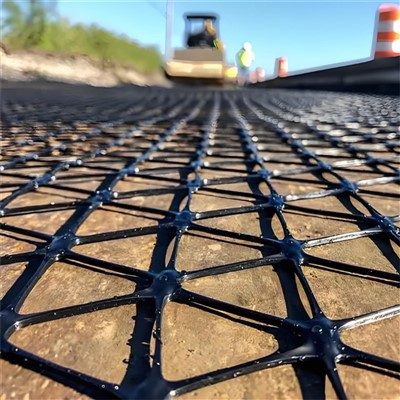
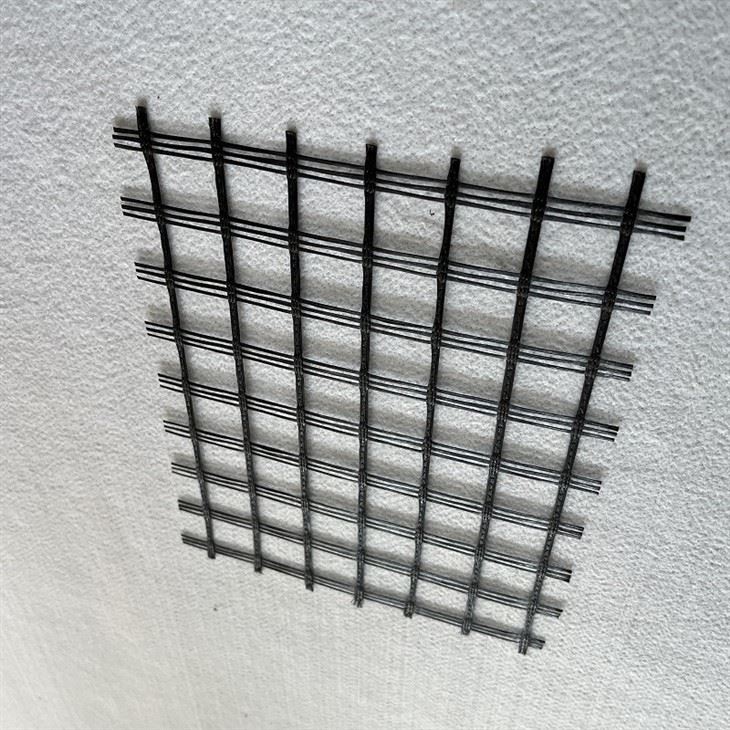
First, let’s clarify what we’re talking about when we say fiberglass geogrids. These aren’t plastic or metal grids—they’re made of continuous fiberglass filaments woven into a grid pattern, coated with a specially formulated polymer (usually polyvinyl alcohol, or PVA, or polyurethane) to improve compatibility with asphalt or concrete. That polymer coating is the key to their success: it lets the geogrid bond tightly to the pavement layers, transferring loads evenly across the entire structure instead of letting them concentrate in small spots. But that same coating is also what makes the geogrid sensitive to harsh cleaning methods, so you can’t just blast it with a pressure washer or scrub it with wire brushes like you would a dirty construction tool. The goal of cleaning is to remove only the loose, non-adherent contaminants without damaging that protective coating or the fragile fiberglass fibers beneath it.
Before you even reach for a hose or a broom, you need to assess two things: what type of contaminant you’re dealing with, and what stage the geogrid is in (stored before installation, laid out but not yet paved, or already partially embedded). Let’s break down the most common scenarios.
The first scenario: geogrid that’s still in its packaging or stored on a job site, waiting to be installed. Stored fiberglass geogrids usually accumulate two types of contaminants: dust and fine dry silt, which blow around job sites, and sometimes light mud splatters if a sudden storm rolls through and the geogrid is left uncovered. This is the easiest to clean, because the contaminants are loose and haven’t bonded to the polymer coating yet. For this type of job, start with a soft-bristle push broom—stiff enough to move dust, but not so hard that it scratches the coating. Sweep in the direction of the grid’s ribs, not against them; fiberglass geogrids have a regular grid pattern, and sweeping parallel to the ribs avoids catching debris in the junctions, which can pull or bend the thin glass fibers. For any remaining fine silt, a low-pressure garden hose (set to a gentle spray, not a jet) works well. Hold the nozzle about 18 inches away from the geogrid surface, and spray in the same direction you swept—avoid high-pressure sprayers at all costs; even a moderate pressure washer can etch the polymer coating, leaving it less effective at bonding. I always tell our clients that if you can’t hold your hand an inch from the spray and it doesn’t feel uncomfortable, it’s too strong for geogrids. A quick wipe with a lint-free microfiber cloth after spraying can pick up any last bits of moisture, which is important because water sitting in the geogrid’s grid openings can slow down installation if you’re laying asphalt immediately.
The second scenario is trickier: geogrid that’s already been laid out on the road bed, but hasn’t been covered with asphalt or base material yet, and has accumulated mud, construction debris, or even small pieces of aggregate. This is common on multi-phase projects where you have to wait a day or two for paving to be scheduled, or if heavy equipment drives partially over the geogrid during site prep. Now, the contaminants might be slightly more adhered to the polymer coating, so you need a more targeted approach— but you still can’t damage the geogrid’s structure. Here, I recommend a two-step process: first, use a soft rubber-tipped rake to gently dislodge any larger debris, like small rocks or twigs, without scraping the grid ribs. Then, mix a mild, pH-neutral detergent (nothing with bleach, ammonia, or harsh solvents—those can break down the polymer coating over time) with warm water in a bucket. Dip a stiff nylon bristle brush (again, no wire bristles) into the mixture, and scrub the geogrid in small sections, following the rib direction. For stubborn mud spots, don’t scrub back and forth in circles— that can fray the fiberglass fibers at the grid junctions. Instead, use light, straight strokes to work the mud loose. Once you’ve scrubbed a section, rinse it immediately with the same low-pressure garden hose. The key here is to work in small, manageable areas (no larger than 10 feet by 10 feet at a time) so the detergent doesn’t dry on the geogrid before you can rinse it off. Dried detergent residue can leave a film that prevents the asphalt from bonding properly, which is a huge issue for products like Fiberglass Geogrid For Asphalt Reinforcement, which rely on that bond to prevent reflective cracking. If you’re working in a damp climate or it looks like rain is coming, you can use a leaf blower on the low setting to remove excess water after rinsing—just make sure the setting is low enough that it doesn’t blow small pieces of aggregate onto the clean geogrid.

Now, let’s talk about what not to do. This is where I’ve seen the most mistakes, especially on rush projects where crews are trying to save time. First, never use wire brushes, pressure washers with more than 1,500 PSI, or chemical cleaners designed for heavy industrial use. I once had a contractor call me in a panic because he’d power-washed a batch of geogrids for a highway overlay, and when he laid them down, the asphalt didn’t stick at all—we tested the geogrids in our lab, and the pressure wash had stripped 15% of the polymer coating, leaving the fiberglass fibers exposed. Without that coating, the geogrid can’t grip the asphalt, so it’s just a piece of thin fiberglass lying between the pavement layers, doing almost nothing to extend the road’s life. Second, don’t use sand or abrasive materials to scrub the geogrid. Even fine sand can scratch the polymer coating, and over time, those scratches create weak points where water can seep in, leading to fiber degradation. Third, never clean geogrids that are already partially embedded in base material unless it’s absolutely necessary. If you do have to clean a geogrid that’s been partially covered, you’ll need to use a hand-held spray wand with an even lower pressure setting, and be extremely careful not to dislodge the geogrid or disturb the base material beneath it.
What about specialized cases? Let’s say you’re working on an airport runway, which is a much higher-stakes project. The geogrids used for airport runways—like Fiberglass Geogrid For Airport Runway—have the same polymer coating, but they’re often thicker and designed to handle much higher loads. Even so, the cleaning rules still apply. Airport projects have strict timeline and safety requirements, so if you’re cleaning geogrids on a runway, make sure you coordinate with your project manager to avoid delaying pavement installation. You might also want to use a commercial-grade, pH-neutral concrete cleaner that’s approved for geosynthetics—just make sure to test a small, inconspicuous section first, to make sure it doesn’t affect the polymer coating. For highway overlays, Fiberglass Geogrid For Highway Overlay needs to be perfectly clean to ensure the overlay bonds to the existing pavement and the geogrid, preventing reflective cracking. I always advise our clients to schedule geogrid cleaning within 24 hours of paving, so the cleaned geogrid doesn’t have time to collect new dust or debris before the asphalt is laid.
As a supplier, I also talk a lot about geogrid types, because different types of geogrids have slightly different needs. For example, Bonded Geogrid— a type of fiberglass geogrid where the ribs are bonded at the junctions for extra stability—might be a bit more robust than standard woven geogrids, but the same cleaning rules still apply. The bonded junctions are still vulnerable to high pressure or harsh scrubbing, so you can’t cut corners there either. If you’re ever unsure whether a cleaning method is right for your specific geogrid, don’t hesitate to reach out—we provide detailed cleaning guides for all our products, and our technical team is always on hand to help trouble shoot.
One thing I’ve learned over the years is that the best way to handle cleaning is to prevent contamination in the first place. That means storing fiberglass geogrids in a covered, dry area on job sites instead of leaving them out in the rain or open to dust. If you have to lay them out in advance, cover them with a plastic tarp or geotextile fabric to keep debris off until you’re ready to install. This saves you time and effort, and it ensures the geogrid is as effective as possible. I always tell contractors that a little prevention goes a long way—we had a client on a recent highway project who covered his geogrids every night, and his cleaning time was cut in half compared to a neighboring contractor who left theirs exposed.
At the end of the day, fiberglass geogrids are an investment in the longevity of a road, runway, or pavement project. Whether you’re using Fiberglass Geogrid For Road Reinforcement, for an airport, or for a simple overlay, taking the time to clean them properly ensures that investment pays off. Skipping the cleaning step or using the wrong method might save you a few minutes on the job, but it can lead to premature pavement failure, costly repairs, and even safety issues down the line. If you have questions about which geogrid is right for your project, or need more detailed cleaning instructions, feel free to reach out to our team to discuss your specific needs. We’re here to help you get the best performance from every product you use.
REFERENCES
- ASTM D7860, Standard Test Method for Tensile Properties of Geogrids by Wide-Width Strip Method
- Geosynthetic Institute (GSI) Technical Note #17: Installation and Maintenance of Fiberglass Geogrids for Pavement Applications
- American Association of State Highway and Transportation Officials (AASHTO) M288, Standard Specification for Geogrids for Soil Stabilization and Reinforcement
- Fiberglass Geogrid Manufacturer Association (FGMA), 2022 Maintenance Guide for Pavement Reinforcement Geogrids