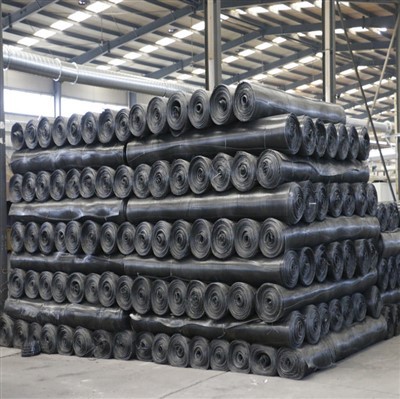
Is Triaxial Geogrid Suitable for Soft Soil Foundation Treatment?
Soft soil foundation treatment is a critical issue in civil engineering projects. The characteristics of soft soil, such as high compressibility, low shear strength, and high water content, pose significant challenges to the stability and durability of structures built on it. Triaxial geogrid, as a geosynthetic material, has been increasingly used in various geotechnical engineering applications. In this blog, as a triaxial geogrid supplier, I will explore whether triaxial geogrid is suitable for soft soil foundation treatment.
Understanding Triaxial Geogrid
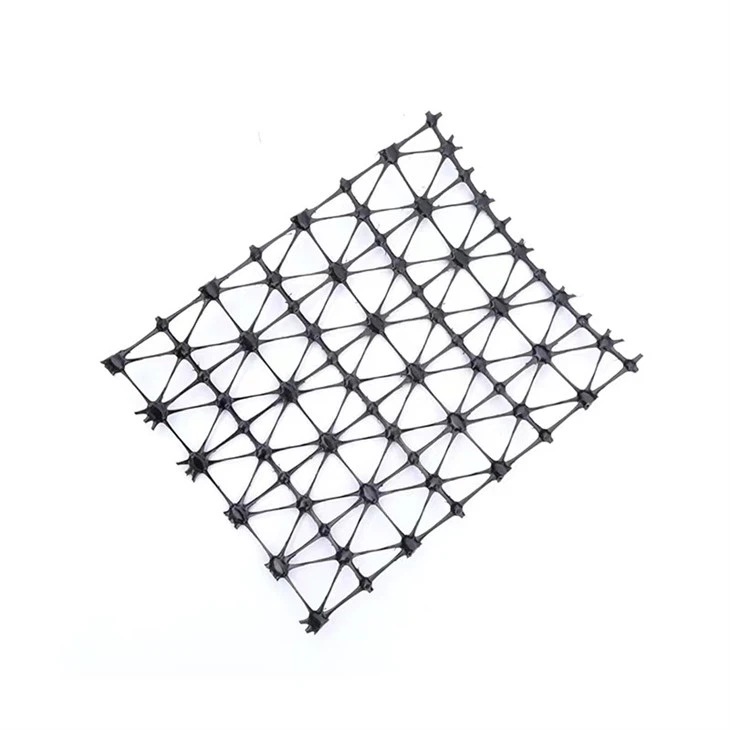
Triaxial geogrid is a three - dimensional geosynthetic material made of high - density polyethylene (HDPE) or other polymers. It features a unique triangular structure, which provides better lateral restraint and load - distribution capabilities compared to traditional biaxial geogrids. The triangular shape of the triaxial geogrid allows it to interlock with the surrounding soil particles more effectively, enhancing the overall stability of the soil mass.
The Triaxial Geogrid for Railway Sub - Ballast Stabilisation showcases how the triaxial geogrid can be used in railway engineering. In this application, the geogrid helps to distribute the load from the railway tracks evenly across the sub - ballast layer, reducing the settlement and improving the long - term performance of the railway foundation.
Mechanisms of Triaxial Geogrid in Soft Soil Foundation Treatment
- Reinforcement and Load Distribution
- When triaxial geogrid is placed in soft soil, it acts as a reinforcement layer. The triangular structure of the geogrid can effectively distribute the vertical load applied on the soil surface over a larger area. This reduces the stress concentration on the soft soil, preventing excessive settlement. For example, in a building construction project on soft soil, the triaxial geogrid can be installed between the foundation and the soft soil layer. The geogrid will transfer the load from the building to a wider area of the soil, reducing the pressure on the soft soil and minimizing the settlement of the building.
- Lateral Restraint
- Soft soil has a tendency to deform laterally under load. Triaxial geogrid provides lateral restraint to the soil particles. The interlocking of the geogrid with the soil particles restricts their lateral movement, which helps to maintain the stability of the soil mass. In a slope reinforcement project on soft soil, the triaxial geogrid can be installed along the slope to prevent the soil from sliding. The geogrid's lateral restraint ability can increase the shear strength of the soil and improve the stability of the slope.
- Filtration and Drainage
- In some cases, triaxial geogrid can also act as a filtration and drainage layer. The open structure of the geogrid allows water to pass through while preventing the fine soil particles from being washed away. This is particularly important in soft soil areas where waterlogging can further reduce the soil's strength. For example, in a landfill project on soft soil, the triaxial geogrid can be used as a drainage layer to remove excess water from the landfill, improving the stability of the landfill structure.
Advantages of Using Triaxial Geogrid in Soft Soil Foundation Treatment
- Improved Soil Strength
- By providing reinforcement and lateral restraint, triaxial geogrid can significantly improve the shear strength of soft soil. This allows for the construction of structures with higher loads on soft soil foundations. For instance, in a bridge construction project on soft soil, the use of triaxial geogrid can increase the bearing capacity of the soil, enabling the bridge to withstand heavier traffic loads.
- Reduced Settlement
- The load - distribution and reinforcement effects of triaxial geogrid help to reduce the settlement of structures on soft soil. This is crucial for the long - term stability of buildings, roads, and other infrastructure. In a road construction project on soft soil, the use of triaxial geogrid can prevent uneven settlement, which could lead to cracking and damage to the road surface.
- Cost - Effectiveness
- Compared to some traditional soft soil foundation treatment methods, such as deep pile foundations or soil replacement, using triaxial geogrid can be more cost - effective. The installation of triaxial geogrid is relatively simple and requires less construction time and labor. Additionally, the long - term performance of the geogrid can reduce the maintenance costs of the structure.
Limitations and Considerations
- Soil Compatibility
- Not all types of soft soil are suitable for triaxial geogrid treatment. For example, in highly organic or peat - rich soft soils, the geogrid may not provide sufficient reinforcement due to the low shear strength and high compressibility of these soils. In such cases, additional treatment methods may be required in combination with the use of triaxial geogrid.
- Installation Quality
- The effectiveness of triaxial geogrid in soft soil foundation treatment depends largely on the installation quality. Improper installation, such as incorrect placement or insufficient overlap of the geogrid, can reduce its performance. Therefore, it is essential to follow the installation guidelines provided by the manufacturer.
Case Studies
- Road Construction on Soft Soil
- In a road project in a coastal area with soft soil, triaxial geogrid was used to reinforce the road foundation. The Triaxial Plastic Geogrid was installed between the sub - base and the soft soil layer. After several years of operation, the road showed minimal settlement and no significant cracking, indicating the effectiveness of the triaxial geogrid in improving the stability of the soft soil foundation.
- Building Foundation on Soft Soil
- A multi - story building was constructed on soft soil using triaxial geogrid for foundation reinforcement. The Triaxial Grid was placed under the building foundation and extended to a certain depth. During the construction process and subsequent use, the settlement of the building was within the acceptable range, demonstrating the suitability of triaxial geogrid for soft soil foundation treatment.
Conclusion
In general, triaxial geogrid is a suitable option for soft soil foundation treatment in many cases. Its unique structure and performance characteristics, such as reinforcement, load distribution, lateral restraint, and filtration, make it an effective solution for improving the stability and reducing the settlement of structures on soft soil. However, it is important to consider the soil type, installation quality, and specific project requirements when using triaxial geogrid.

If you are involved in a project that requires soft soil foundation treatment, we, as a triaxial geogrid supplier, can provide you with high - quality products and professional technical support. We are more than willing to discuss your specific needs and help you find the best solution for your project. Contact us to start a procurement discussion and let's work together to achieve successful project outcomes.
References
- Koerner, R. M. (2012). Designing With Geosynthetics. Pearson.
- Bonaparte, R., & Daniel, D. E. (1995). Geosynthetics for waste containment. ASTM International.