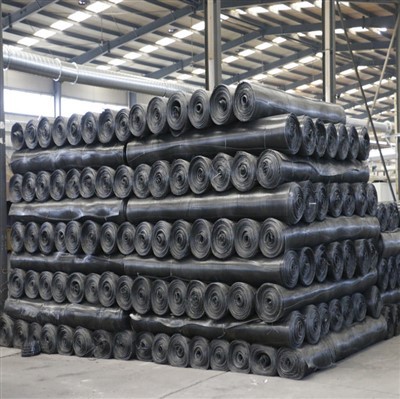
Geomembranes play a crucial role in wastewater treatment plants, offering a range of functions that contribute to the efficient and effective operation of these facilities. As a geomembrane supplier, I have witnessed firsthand the impact that these materials can have on wastewater treatment processes. In this blog post, I will explore the various functions of geomembranes in wastewater treatment plants and highlight their importance in ensuring environmental protection and public health.
Containment and Leakage Prevention
One of the primary functions of geomembranes in wastewater treatment plants is to provide a reliable barrier against the leakage of wastewater. Wastewater contains a variety of contaminants, including heavy metals, pathogens, and organic compounds, which can pose a significant threat to the environment and human health if they are allowed to escape into the surrounding soil and groundwater. Geomembranes act as a physical barrier, preventing the migration of these contaminants and ensuring that they are contained within the treatment facility.
For example, in a wastewater treatment lagoon, a geomembrane liner can be installed at the bottom and sides of the lagoon to prevent the seepage of wastewater into the underlying soil. This helps to protect the groundwater from contamination and ensures that the treated wastewater is discharged safely into the environment. Similarly, in a landfill leachate collection system, a geomembrane liner can be used to line the landfill cells and collect the leachate, which is then treated before being discharged.
Hdpe Geomembrane Liner is a popular choice for wastewater treatment applications due to its high chemical resistance, durability, and flexibility. HDPE geomembranes are made from high-density polyethylene, which is a thermoplastic material that is resistant to a wide range of chemicals and environmental conditions. These geomembranes can be manufactured in various thicknesses and sizes to meet the specific requirements of different wastewater treatment applications.


Odor Control
Another important function of geomembranes in wastewater treatment plants is to control odors. Wastewater treatment processes often generate unpleasant odors, which can be a nuisance to nearby residents and businesses. Geomembranes can be used to cover wastewater treatment tanks and lagoons, creating a sealed environment that helps to contain the odors and prevent them from escaping into the atmosphere.
For example, in a wastewater treatment plant, a geomembrane cover can be installed over a primary clarifier or an aeration tank to prevent the release of odorous gases. The cover can be designed to be airtight, allowing for the collection and treatment of the odorous gases before they are released into the environment. This not only helps to improve the air quality in the surrounding area but also reduces the potential for odor-related complaints from the public.
Protection of Equipment and Infrastructure
Geomembranes can also provide protection for equipment and infrastructure in wastewater treatment plants. Wastewater treatment processes often involve the use of pumps, pipes, and other equipment, which can be damaged by exposure to corrosive chemicals and abrasive materials. Geomembranes can be used to line the inside of tanks, pipes, and other equipment, providing a protective barrier that helps to prevent corrosion and wear.
For example, in a wastewater treatment plant, a geomembrane liner can be installed inside a concrete tank to protect it from the corrosive effects of the wastewater. The liner can also help to prevent the growth of bacteria and other microorganisms, which can cause damage to the tank and reduce its lifespan. Similarly, in a wastewater collection system, a geomembrane liner can be used to line the inside of pipes to prevent the buildup of sediment and other debris, which can cause blockages and reduce the flow of wastewater.
Facilitation of Wastewater Treatment Processes
Geomembranes can also play a role in facilitating wastewater treatment processes. For example, in a membrane bioreactor (MBR) system, a geomembrane membrane can be used to separate the treated wastewater from the activated sludge. The membrane acts as a physical barrier, allowing the treated wastewater to pass through while retaining the activated sludge. This helps to improve the efficiency of the treatment process and reduce the volume of sludge that needs to be disposed of.
HDPE Geomembrane For Water Storage can also be used in wastewater treatment plants for the storage of treated wastewater. The geomembrane liner can be installed in a storage tank or a lagoon, providing a reliable and cost-effective solution for storing the treated wastewater. This can be particularly useful in areas where water resources are limited or where there is a need to store the treated wastewater for future use.
Environmental Protection
Finally, geomembranes play an important role in environmental protection. By preventing the leakage of wastewater and controlling odors, geomembranes help to protect the environment from the negative impacts of wastewater treatment. They also help to ensure that the treated wastewater is discharged safely into the environment, minimizing the potential for pollution and harm to aquatic life.
In addition, geomembranes can be used in the construction of artificial lakes and other water bodies, providing a reliable and durable liner that helps to prevent the seepage of water into the underlying soil. Flexible PVC Geomembrane For Artificial Lake Project is a popular choice for these applications due to its high flexibility and durability.
Conclusion
In conclusion, geomembranes play a vital role in wastewater treatment plants, offering a range of functions that contribute to the efficient and effective operation of these facilities. From containment and leakage prevention to odor control, protection of equipment and infrastructure, facilitation of wastewater treatment processes, and environmental protection, geomembranes are an essential component of modern wastewater treatment systems.
As a geomembrane supplier, I am committed to providing high-quality geomembrane products and services to meet the needs of wastewater treatment plants. If you are interested in learning more about our geomembrane products or would like to discuss your specific wastewater treatment requirements, please do not hesitate to contact us. We look forward to working with you to find the best solution for your wastewater treatment needs.
References
- ASTM International. (2019). Standard Specification for High-Density Polyethylene (HDPE) Geomembranes. ASTM D4397-19.
- Geosynthetic Institute. (2018). Geomembrane Handbook.
- USEPA. (2017). Wastewater Treatment Technology Fact Sheet: Membrane Bioreactors.