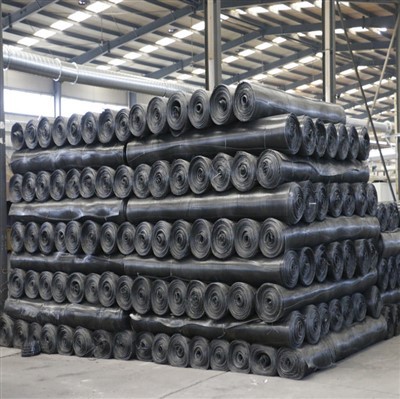
When it comes to dam construction, geotextiles play a crucial role in ensuring the stability and longevity of these massive structures. As a geotextiles supplier, I've seen firsthand how proper installation techniques can make or break a dam project. In this blog, I'll share some key installation techniques for geotextiles in dam construction.
1. Site Preparation
Before installing geotextiles, proper site preparation is essential. First, you need to clear the area of any debris, rocks, or vegetation that could potentially damage the geotextile. The surface should be as smooth as possible to ensure good contact between the geotextile and the soil.
Next, it's important to grade the site according to the design specifications. A proper slope helps with water drainage and prevents the accumulation of water behind the dam. Make sure the slope is consistent and free of any depressions or bumps that could cause the geotextile to bunch up or tear.
2. Geotextile Selection
Choosing the right geotextile for your dam project is crucial. There are different types of geotextiles available, each with its own unique properties and applications. For example, Short Fiber Needle Punched Geotextile is great for filtration and separation. It has a high porosity that allows water to pass through while preventing soil particles from migrating.
On the other hand, Geosynthetic Materials For A Capping And Landfill are designed to provide a barrier against the escape of contaminants. These materials are often used in landfill capping and other environmental applications.
If you're looking for a geotextile that meets specific industry standards, Astm Standard Non Woven GeoTextile is a great option. It's manufactured to meet the strict requirements of the ASTM standards, ensuring high quality and performance.
3. Unrolling and Placement
Once you've selected the right geotextile, it's time to unroll and place it on the prepared site. Start by unrolling the geotextile from one end of the dam to the other. Make sure the geotextile is laid flat and free of wrinkles. You can use stakes or sandbags to hold the geotextile in place while you're unrolling it.
When placing the geotextile, overlap the edges by at least 12 inches (30 cm). This helps to prevent water from seeping through the seams. If you're using multiple rolls of geotextile, make sure the seams are staggered to provide better coverage.
4. Securing the Geotextile
After the geotextile is unrolled and placed, it's important to secure it to the ground. There are several ways to do this, depending on the type of geotextile and the site conditions. One common method is to use soil nails or staples to anchor the geotextile to the ground. Make sure the nails or staples are long enough to penetrate the soil and hold the geotextile in place.
Another option is to use sandbags or gravel to weigh down the edges of the geotextile. This helps to prevent the geotextile from being blown away by the wind or washed away by water.
5. Seaming and Joining
In some cases, you may need to seam or join multiple pieces of geotextile together. There are several methods for seaming geotextiles, including stitching, heat welding, and adhesive bonding.
Stitching is a common method for seaming non-woven geotextiles. It involves using a sewing machine to stitch the edges of the geotextiles together. Make sure the stitches are tight and evenly spaced to ensure a strong seam.


Heat welding is a more permanent method for seaming geotextiles. It involves using a heat source to melt the edges of the geotextiles together. This creates a strong, waterproof seam that is resistant to tearing and leakage.
Adhesive bonding is another option for seaming geotextiles. It involves using an adhesive to bond the edges of the geotextiles together. Make sure the adhesive is compatible with the geotextile material and the site conditions.
6. Protection and Maintenance
Once the geotextile is installed, it's important to protect it from damage. This can be done by covering the geotextile with a layer of soil or gravel. This helps to prevent the geotextile from being exposed to sunlight, which can cause it to degrade over time.
Regular maintenance is also important to ensure the long-term performance of the geotextile. This includes inspecting the geotextile for any signs of damage or wear and tear. If any damage is found, it should be repaired as soon as possible to prevent further damage.
Conclusion
Proper installation techniques are essential for ensuring the effectiveness of geotextiles in dam construction. By following these tips, you can ensure that your geotextile installation is successful and that your dam project is built to last.
If you're in the market for geotextiles for your dam construction project, I'd love to talk to you. As a geotextiles supplier, I have a wide range of products to meet your needs. Whether you need a specific type of geotextile or have questions about installation, I'm here to help. Contact me today to start the conversation.
References
- Koerner, R. M. (2012). Designing with Geosynthetics. Pearson Prentice Hall.
- Giroud, J. P., & Bonaparte, R. (1989). Geotextile design and application. Elsevier.