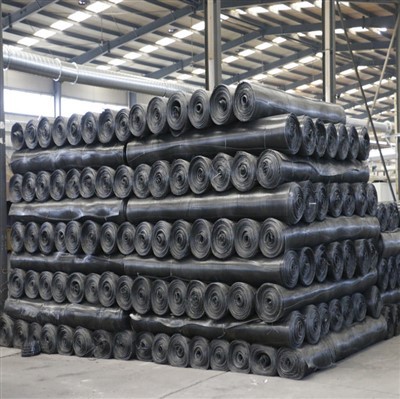

What is the Elongation Rate of Biaxial Plastic Geogrid?
As a supplier of Biaxial Plastic Geogrid, I am often asked about the elongation rate of this product. The elongation rate is a crucial parameter that determines the performance and suitability of the geogrid in various applications. In this blog post, I will delve into the concept of the elongation rate of Biaxial Plastic Geogrid, its significance, and how it affects the overall functionality of the geogrid.
Understanding Elongation Rate
The elongation rate of a Biaxial Plastic Geogrid refers to the percentage increase in length of the geogrid when subjected to a certain amount of tensile force. It is a measure of the geogrid's ability to stretch under load without breaking. The elongation rate is typically expressed as a percentage and is determined through standardized testing procedures.
In the case of Biaxial Plastic Geogrid, the elongation rate is an important factor because it directly impacts the geogrid's ability to reinforce soil and provide stability. A geogrid with a higher elongation rate can stretch more before reaching its breaking point, which means it can better accommodate soil movement and settlement. On the other hand, a geogrid with a lower elongation rate may be more rigid and less able to adapt to changes in the soil conditions.
Significance of Elongation Rate
The elongation rate of Biaxial Plastic Geogrid plays a significant role in its performance in soil reinforcement applications. Here are some key points highlighting the importance of the elongation rate:
- Soil Movement and Settlement: In many soil reinforcement projects, the soil is subject to movement and settlement over time. A geogrid with a higher elongation rate can stretch and adjust to these changes, maintaining its effectiveness in providing reinforcement. This helps to prevent soil failure and maintain the stability of the structure.
- Load Distribution: The elongation rate also affects the geogrid's ability to distribute loads evenly across the soil. A geogrid with a higher elongation rate can deform more easily, allowing it to transfer loads more effectively to the surrounding soil. This helps to reduce stress concentrations and improve the overall performance of the soil-reinforced structure.
- Compatibility with Different Soils: Different soils have different properties and behavior. A geogrid with a suitable elongation rate can be better matched to the specific soil conditions, ensuring optimal performance. For example, in soft or highly compressible soils, a geogrid with a higher elongation rate may be more appropriate to accommodate the soil's movement.
Factors Affecting Elongation Rate
Several factors can influence the elongation rate of Biaxial Plastic Geogrid. These include:
- Material Properties: The type of plastic material used in the geogrid can have a significant impact on its elongation rate. Different plastics have different mechanical properties, and some may be more flexible and stretchable than others. For example, polypropylene is a commonly used material for Biaxial Plastic Geogrid, and it typically has a relatively high elongation rate.
- Manufacturing Process: The manufacturing process of the geogrid can also affect its elongation rate. The way the geogrid is extruded, stretched, and treated can influence its molecular structure and mechanical properties. A well-manufactured geogrid with a consistent and uniform structure is more likely to have a predictable and reliable elongation rate.
- Tensile Strength: The tensile strength of the geogrid is closely related to its elongation rate. Generally, a geogrid with a higher tensile strength will have a lower elongation rate. This is because the stronger the geogrid, the less it will stretch under load. However, it is important to find a balance between tensile strength and elongation rate to ensure optimal performance in different applications.
Determining the Appropriate Elongation Rate
The appropriate elongation rate for a Biaxial Plastic Geogrid depends on several factors, including the specific application, soil conditions, and design requirements. Here are some guidelines to help determine the appropriate elongation rate:
- Application Requirements: Consider the type of project and the specific requirements of the soil reinforcement. For example, in a road construction project, a geogrid with a higher elongation rate may be needed to accommodate the traffic loads and soil settlement. In contrast, in a retaining wall project, a geogrid with a lower elongation rate may be more suitable to provide the necessary stability.
- Soil Properties: Analyze the properties of the soil, such as its type, density, and moisture content. Different soils have different behaviors, and the geogrid should be selected to match the soil conditions. For example, in a soft clay soil, a geogrid with a higher elongation rate may be required to prevent soil failure.
- Design Standards: Refer to relevant design standards and guidelines to determine the recommended elongation rate for the specific application. These standards take into account various factors, such as the type of structure, load conditions, and soil properties, to ensure the safe and effective use of the geogrid.
Our Biaxial Plastic Geogrid Products
At our company, we offer a wide range of Biaxial Plastic Geogrid products with different elongation rates to meet the diverse needs of our customers. Our products are made from high-quality materials and are manufactured using advanced processes to ensure consistent and reliable performance.
One of our popular products is the High-Tensile Steel Plastic Geogrid 30 - 120kN. This geogrid is designed to provide high tensile strength and excellent elongation properties, making it suitable for a variety of soil reinforcement applications. It is commonly used in road construction, embankment reinforcement, and slope stabilization projects.
Another product we offer is the Biaxial Geogrids For Soil Reinforcement. These geogrids are specifically designed for soil reinforcement applications and are available in different sizes and specifications. They have a high elongation rate, which allows them to adapt to soil movement and settlement, providing long-term stability and performance.


We also offer Biaxial Polypropylene Geogrid, which is made from polypropylene material. This geogrid has a high elongation rate and is resistant to environmental factors such as UV radiation and chemical exposure. It is suitable for a wide range of applications, including soil reinforcement, erosion control, and landfill liner systems.
Contact Us for Purchasing and Consultation
If you are interested in our Biaxial Plastic Geogrid products or have any questions about the elongation rate or other technical aspects, please feel free to contact us. Our team of experts is available to provide you with detailed information, technical support, and assistance in selecting the right geogrid for your project.
We understand the importance of finding the right geogrid for your specific needs, and we are committed to providing high-quality products and excellent customer service. Whether you are a contractor, engineer, or project manager, we can help you make an informed decision and ensure the success of your soil reinforcement project.
References
- ASTM D6637 - Standard Test Method for Determining the Tensile Properties of Geosynthetics by the Wide - Width Tensile Test.
- ISO 10319 - Geosynthetics - Determination of tensile properties of geogrids.
- Koerner, R. M. (2012). Designing with Geosynthetics. Pearson.