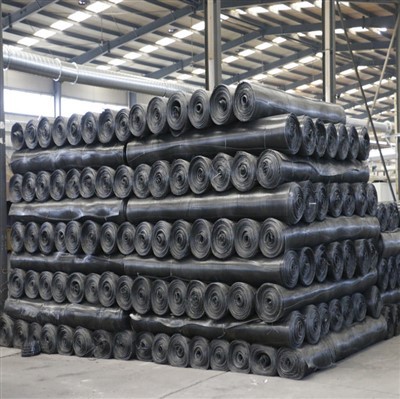
Hey there! As a supplier of Biaxial Plastic Geogrid, I'm super excited to share with you the ins and outs of its recycling process. Biaxial Plastic Geogrid is a game - changer in the construction and civil engineering fields, and understanding how it can be recycled is crucial for a sustainable future.
What is Biaxial Plastic Geogrid?
Before we dive into the recycling process, let's quickly go over what Biaxial Plastic Geogrid is. It's a high - strength, lightweight material made from plastic polymers. This geogrid has a grid - like structure that provides excellent reinforcement for soil. It's used in a variety of applications, such as road construction, slope stabilization, and retaining wall systems. You can check out more about its uses in soil reinforcement here: Biaxial Geogrids For Soil Reinforcement.
The Recycling Process
The recycling process of Biaxial Plastic Geogrid is a multi - step journey that starts from collection to the final product.
Collection
The first step is collecting the used Biaxial Plastic Geogrid. This can come from construction sites where the geogrid has reached the end of its service life, or from projects that are being renovated or demolished. We need to make sure that the collected geogrid is relatively clean and free from excessive dirt, debris, and other contaminants. This might involve some initial cleaning on - site to remove large chunks of soil or other materials.
Sorting
Once the geogrid is collected, it's time for sorting. We separate the Biaxial Plastic Geogrid from other types of waste materials. This is important because different plastics have different properties and recycling requirements. For example, if there are other types of plastic waste mixed in, it can affect the quality of the recycled product. Specialized sorting equipment is often used to ensure accurate separation.
Shredding
After sorting, the Biaxial Plastic Geogrid is shredded into small pieces. Shredding increases the surface area of the plastic, making it easier to process in the subsequent steps. The shredded plastic pieces are then ready for further treatment.
Washing
The shredded plastic is washed to remove any remaining dirt, grease, or other impurities. This is a crucial step as any contaminants can affect the quality of the recycled plastic. The washing process usually involves using water and sometimes mild detergents to clean the plastic thoroughly.
Melting
Once the plastic is clean, it's melted down. The melting process requires careful control of temperature and pressure to ensure that the plastic reaches the right state for further processing. The melted plastic is then in a form that can be molded into new products.
Reprocessing
The melted plastic is reprocessed into new forms. This can involve extruding the plastic into new geogrids or other plastic products. The new products can have similar properties to the original Biaxial Plastic Geogrid, or they can be used in other applications. For instance, the recycled plastic can be used to make other types of construction materials. You can learn more about a related product, the Steel Plastic Geogrid For Reinforced Soil Retaining Wall System.
Benefits of Recycling Biaxial Plastic Geogrid
Recycling Biaxial Plastic Geogrid has several benefits. First of all, it helps to reduce the amount of plastic waste that ends up in landfills. Plastic waste can take hundreds of years to decompose, and by recycling, we can significantly reduce this environmental burden.


Secondly, recycling conserves resources. The production of new plastic geogrids requires a large amount of raw materials and energy. By using recycled plastic, we can save on these resources and reduce the overall environmental impact of the manufacturing process.
Another benefit is cost - savings. Recycling can be a more cost - effective option compared to producing new geogrids from scratch. This can be especially beneficial for construction companies and other industries that use a large amount of Biaxial Plastic Geogrid.
Quality of Recycled Biaxial Plastic Geogrid
One question that often comes up is about the quality of the recycled Biaxial Plastic Geogrid. The quality can vary depending on the recycling process and the source of the plastic. However, with proper recycling techniques and quality control measures, the recycled geogrid can have similar performance characteristics to the original product.
For example, the strength and durability of the recycled geogrid can be maintained through careful processing. The recycled geogrid can still provide effective soil reinforcement in various applications. You can find more information about a specific type of Biaxial Plastic Geogrid, the Biaxial Polypropylene Geogrid, which might also be subject to recycling.
Challenges in Recycling Biaxial Plastic Geogrid
Of course, there are some challenges in recycling Biaxial Plastic Geogrid. One of the main challenges is the presence of additives and fillers in the plastic. These additives can make the recycling process more complex and can affect the quality of the recycled product.
Another challenge is the collection and transportation of the used geogrid. Since construction sites can be spread out, it can be difficult and costly to collect all the used geogrid in a timely and efficient manner.
Future of Recycling Biaxial Plastic Geogrid
The future of recycling Biaxial Plastic Geogrid looks promising. With advancements in technology, we can expect more efficient recycling processes that can handle the challenges mentioned above. There is also a growing awareness of the importance of sustainability in the construction industry, which will likely drive more demand for recycled geogrid products.
Conclusion
In conclusion, the recycling process of Biaxial Plastic Geogrid is an important aspect of sustainable construction. It offers numerous benefits, including reducing waste, conserving resources, and cost - savings. While there are challenges, the future looks bright for this recycling process.
If you're interested in purchasing Biaxial Plastic Geogrid or have any questions about our products, don't hesitate to reach out. We're here to help you with all your geogrid needs and can provide you with high - quality products at competitive prices. Let's work together towards a more sustainable future!