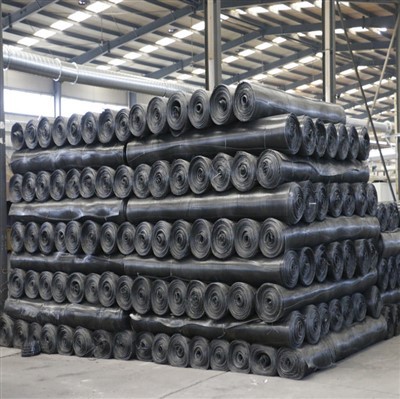

Biaxial plastic geogrid is a versatile and widely used geosynthetic material in civil engineering projects, such as road construction, soil reinforcement, and foundation stabilization. As a supplier of high - quality biaxial plastic geogrid, we understand the importance of proper installation and cutting techniques. In this blog post, we'll delve into the various tools suitable for cutting biaxial plastic geogrid and discuss their advantages and limitations.


Understanding Biaxial Plastic Geogrid
Before we talk about cutting tools, let's briefly understand what biaxial plastic geogrid is. Biaxial plastic geogrid is formed by stretching a high - density polyethylene (HDPE) or polypropylene (PP) sheet in two perpendicular directions. This manufacturing process enhances the grid's strength and stability, making it ideal for distributing loads over a larger area and improving the soil's mechanical properties. There are several types of biaxial plastic geogrid available on our website, such as Bx Geogrid, Carbon Fiber Geogrid, Biaxial Geogrid For Road Base Reinforcement, Steel Plastic Geogrid For Reinforced Soil Retaining Wall System, and Steel Plastic Geogrid.
Tools for Cutting Biaxial Plastic Geogrid
1. Utility Knife
A utility knife is one of the most commonly used tools for cutting biaxial plastic geogrid. It is lightweight, portable, and easy to handle. Utility knives usually come with replaceable blades, which can be sharpened or replaced when they become dull.
- Advantages:
- Cost - effective: Utility knives are relatively inexpensive, making them a budget - friendly option for small - scale projects or occasional use.
- Precision cutting: The sharp blade allows for precise cuts, which is crucial when fitting the geogrid into specific areas or making detailed cuts.
- Portability: It is easy to carry around the construction site, allowing workers to make quick cuts on the spot.
- Limitations:
- Limited cutting capacity: Utility knives may struggle to cut through thick or highly - reinforced biaxial plastic geogrids. The blade may dull quickly, especially when cutting through multiple layers of the material.
- Safety concerns: The exposed blade can pose a safety risk if not handled properly. Workers need to be trained to use the utility knife safely to avoid injuries.
2. Scissors
Scissors can also be used for cutting biaxial plastic geogrid, especially for smaller pieces or when a more delicate cut is required.
- Advantages:
- Ease of use: Scissors are simple to operate, even for those with limited experience. They offer a good level of control, allowing for accurate cuts.
- Suitable for thin geogrids: For thinner biaxial plastic geogrids, scissors can provide a clean and smooth cut without causing excessive stress on the material.
- Limitations:
- Limited strength: Scissors may not be able to cut through thick or rigid biaxial plastic geogrids. The cutting force of scissors is relatively low compared to other tools.
- Time - consuming: Cutting large areas of geogrid with scissors can be very time - consuming, which is not practical for large - scale projects.
3. Power Shears
Power shears are a more powerful alternative to manual cutting tools. They are electrically or pneumatically powered and can cut through biaxial plastic geogrids more quickly and efficiently.
- Advantages:
- High cutting speed: Power shears can cut through the geogrid at a much faster rate than utility knives or scissors, which significantly reduces the time required for cutting large quantities of material.
- Ability to cut thick geogrids: They are capable of cutting through thick and highly - reinforced biaxial plastic geogrids with ease.
- Limitations:
- Cost: Power shears are more expensive than manual cutting tools. Additionally, there may be ongoing costs associated with electricity or compressed air if they are powered by these sources.
- Portability: Some power shears can be heavy and bulky, which may limit their mobility on the construction site. They also require a power source, which may not be readily available in all locations.
4. Circular Saw
A circular saw can be used for cutting biaxial plastic geogrid, especially for straight and long cuts. It is a powerful tool that can make quick work of large - scale cutting tasks.
- Advantages:
- Fast and efficient: Circular saws can cut through the geogrid rapidly, making them ideal for large projects where time is of the essence.
- Straight cuts: They are excellent for making straight cuts, which is important for ensuring a proper fit of the geogrid in the construction project.
- Limitations:
- Safety risks: Circular saws are powerful tools that can cause serious injuries if not used correctly. Workers need to wear appropriate safety gear, such as goggles and gloves, and be trained in the proper operation of the saw.
- Generates debris: The cutting process with a circular saw can generate a significant amount of plastic debris, which needs to be cleaned up properly to avoid potential environmental and safety hazards.
Selecting the Right Cutting Tool
When choosing a cutting tool for biaxial plastic geogrid, several factors need to be considered:
- Thickness and strength of the geogrid: Thicker and more highly - reinforced geogrids require more powerful cutting tools, such as power shears or circular saws. For thin geogrids, utility knives or scissors may be sufficient.
- Size of the project: For small projects or minor adjustments, manual cutting tools like utility knives or scissors may be the most practical choice. However, for large - scale projects, power tools are more efficient.
- Budget: The cost of the cutting tool, including the initial purchase price and any ongoing operating costs, should be taken into account. Manual cutting tools are generally more budget - friendly, while power tools can be more expensive.
- Safety: Safety is of utmost importance when using any cutting tool. Workers should be trained to use the tool safely and appropriate safety measures should be in place on the construction site.
Ensuring Quality Cuts
Regardless of the tool used, there are several tips to ensure high - quality cuts:
- Keep the blade sharp: A sharp blade will make cleaner cuts and reduce the stress on the geogrid material. Replace the blade regularly if it becomes dull.
- Secure the geogrid: Before cutting, make sure the geogrid is properly secured to prevent it from moving. This will help ensure a straight and accurate cut.
- Follow the grid pattern: Try to cut along the grid pattern as much as possible, which will make the cutting process easier and result in a neater finish.
Contact Us for Your Biaxial Plastic Geogrid Needs
As a reliable supplier of biaxial plastic geogrid, we not only offer high - quality products but also professional advice on installation and cutting. If you are planning a project that requires biaxial plastic geogrid, or if you have any questions about the cutting tools or techniques, please feel free to contact us. We are ready to assist you in making the right choices for your project.
References
- Koerner, R. M. (2012). Designing with Geosynthetics. Pearson Prentice Hall.
- ASTM International. (2021). Standard Specification for Geogrids for Reinforcement of Soil and Related Materials. ASTM D6637/D6637M.