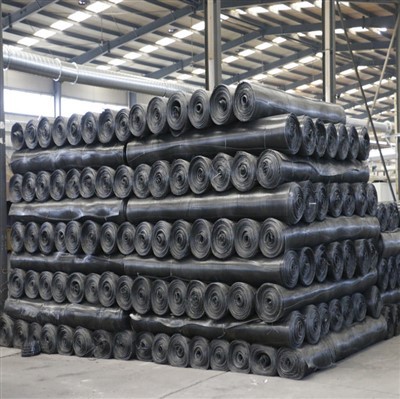

Hey there! I'm a supplier of biaxial geogrid, and today I wanna chat about whether biaxial geogrid can be used in coastal engineering. It's a pretty interesting topic, especially considering the unique challenges that coastal areas present.
First off, let's get to know what biaxial geogrid is. Biaxial geogrid is a type of geosynthetic material. It's essentially a grid - like structure that has strength in two directions (hence the "biaxial" part). It's made from different materials like plastic, and there are also Carbon Fiber Geogrid options available. These grids are used in a variety of civil engineering projects to reinforce soil, prevent erosion, and improve the stability of structures built on or with soil.
Now, when it comes to coastal engineering, the environment is super tough. You've got the constant action of waves, tides, and saltwater. Waves can erode the shoreline, tides can cause changes in water level and pressure on coastal structures, and saltwater is corrosive. So, can biaxial geogrid handle all this?
One of the main applications in coastal engineering where biaxial geogrid can be really useful is shoreline protection. Erosion is a huge problem along coastlines. The constant pounding of waves can wash away the soil, leading to the loss of land and damage to coastal properties. Erosion Control Geogrid can be installed on the shore. When placed in the soil, it interlocks with the soil particles. This creates a stronger composite material that can resist the forces of the waves. The grid distributes the wave energy over a larger area, reducing the impact on the soil and preventing it from being washed away easily.
For example, in some small coastal towns, they've used biaxial geogrid to build small retaining walls along the shore. These walls are made by filling geotextile bags with soil and then reinforcing them with biaxial geogrid. The grid gives the wall more stability, allowing it to withstand the pressure from the waves and the weight of the soil.
Another area where biaxial geogrid can play a role is in the construction of coastal roads and embankments. Coastal roads are often built on soft or unstable soil. The weight of traffic and the effects of the coastal environment can cause the soil to settle unevenly, leading to cracks and damage in the road surface. Biaxial Geogrid For Road Base Reinforcement can be placed in the road base. It helps to distribute the load from the traffic more evenly across the soil, reducing the settlement and improving the overall performance of the road.
When building embankments near the coast, biaxial geogrid can also be used to reinforce the soil. Embankments need to be stable to prevent flooding and protect the inland areas. The grid strengthens the soil structure, making the embankment more resistant to the forces of water, whether it's from storm surges or high tides.
But what about the durability of biaxial geogrid in the harsh coastal environment? Well, different types of biaxial geogrid have different resistance levels. Plastic biaxial geogrids, such as Biaxial Plastic Geogrid, are quite common. They are relatively resistant to corrosion from saltwater, but prolonged exposure to UV rays can cause them to degrade over time. However, many manufacturers have come up with solutions to improve the UV resistance of plastic geogrids, like adding special coatings.
Carbon fiber geogrids are another option. They are known for their high strength and excellent resistance to corrosion. They can withstand the harsh coastal conditions for a long time, making them a great choice for long - term coastal projects.
In slope stabilization along the coast, Geogrid For Slopes is very important. Coastal slopes are prone to failure due to the combination of wave action, water seepage, and the weight of the soil. Biaxial geogrid can be installed within the slope. It provides additional shear strength to the soil, preventing it from sliding. The grid holds the soil particles together, creating a more stable slope that can better withstand the coastal forces.
There have been numerous successful projects around the world that have used biaxial geogrid in coastal engineering. For instance, in some beach restoration projects, biaxial geogrid was used to hold the newly placed sand in place. This helped to build up the beach and protect it from further erosion.


However, like any material, biaxial geogrid also has its limitations in coastal engineering. Installation can be a bit tricky, especially in areas with high wave activity. You need to ensure that the grid is properly anchored and installed at the right depth in the soil. Also, in extremely high - energy wave zones, the grid may need to be combined with other protective structures like breakwaters or seawalls to provide adequate protection.
In conclusion, biaxial geogrid can definitely be used in coastal engineering. It offers a cost - effective and practical solution for many of the problems faced in coastal areas, such as erosion control, slope stabilization, and road and embankment construction. With the right type of biaxial geogrid chosen according to the specific project requirements and proper installation techniques, it can significantly enhance the stability and durability of coastal structures.
If you're involved in a coastal engineering project and think biaxial geogrid could be a good fit for your needs, don't hesitate to reach out. I'm here to help you choose the right type of biaxial geogrid and provide you with all the information you need. We can discuss your project in detail and figure out how our products can best meet your requirements. Hit me up for a friendly chat and let's explore the possibilities together!
References
- Giroud, J. P., & Han, J. (2004). Design and construction guidelines for mechanically stabilized earth retaining walls and reinforced soil slopes.
- Koerner, R. M. (2012). Designing with geosynthetics. Pearson Prentice Hall.
- Moseley, M. P., & Kirsch, H. (2013). Ground improvement and geotextiles. Butterworth - Heinemann.