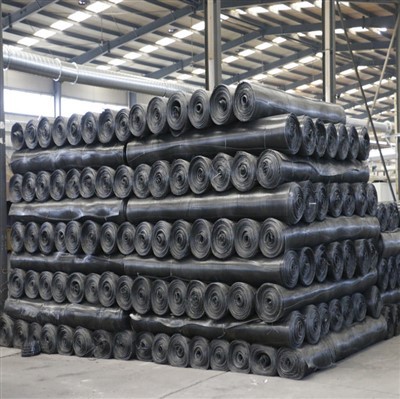
Soil reinforcement is a crucial aspect of civil engineering and construction projects. It involves enhancing the stability and load - bearing capacity of soil to support various structures such as buildings, roads, and retaining walls. One effective solution for soil reinforcement is the use of geotextile bags. As a geotextile bag supplier, I have witnessed firsthand the numerous benefits these bags offer in soil reinforcement projects.
1. Understanding Geotextile Bags
Geotextile bags are made from permeable synthetic materials, typically polypropylene or polyester. These materials are engineered to have specific properties that make them suitable for soil reinforcement. The bags are filled with soil, sand, or other granular materials, and then placed in strategic locations to improve the soil's performance.
The geotextile fabric used in these bags has high tensile strength, which allows it to withstand the forces exerted by the soil and external loads. It also has good permeability, which means it can allow water to pass through while retaining the soil particles. This is important for preventing waterlogging and maintaining the stability of the soil.
2. Mechanisms of Soil Reinforcement by Geotextile Bags
2.1 Friction and Interlocking
When geotextile bags are filled and placed in the soil, they create a frictional interface with the surrounding soil. The rough surface of the geotextile fabric increases the frictional resistance between the bag and the soil. This frictional force helps to transfer the load from the soil to the geotextile bags, reducing the stress on the soil and increasing its stability.
In addition, the geotextile bags can interlock with each other. When multiple bags are placed adjacent to one another, they form a stable structure. The interlocking mechanism distributes the load more evenly across the soil mass, preventing localised failure and improving the overall strength of the soil.
2.2 Reinforcement of Slopes
Geotextile bags are widely used in slope reinforcement projects. On slopes, the bags are placed in a stepped or layered manner. The weight of the filled bags helps to stabilise the slope by counteracting the gravitational forces that tend to cause soil movement.
The geotextile fabric also provides additional reinforcement to the soil on the slope. It prevents the soil from eroding and sliding, especially during heavy rainfall or seismic events. By reinforcing the slope, geotextile bags can reduce the risk of landslides and ensure the long - term stability of the slope.
2.3 Retaining Wall Construction
Geotextile bags can be used to construct retaining walls. These walls are used to hold back soil and prevent it from collapsing. When building a retaining wall with geotextile bags, the bags are stacked in a specific pattern. The filled bags act as individual blocks, and the geotextile fabric provides the necessary connection between the blocks.
The geotextile bags in a retaining wall can resist the lateral pressure exerted by the soil. They also allow for drainage, which is essential for reducing the hydrostatic pressure behind the wall. This helps to prevent the wall from being damaged by water pressure and ensures its long - term stability.
3. Comparison with Other Geosynthetic Materials
3.1 Biaxial Plastic Geogrid
Biaxial Plastic Geogrid is another popular geosynthetic material used for soil reinforcement. While biaxial plastic geogrids offer good tensile strength in two directions, geotextile bags have some advantages. Geotextile bags can be easily filled on - site with local soil or other materials, which reduces the cost of transportation. They also provide a more flexible and adaptable solution, as they can be shaped and placed according to the specific requirements of the project.
3.2 Triaxial Grid
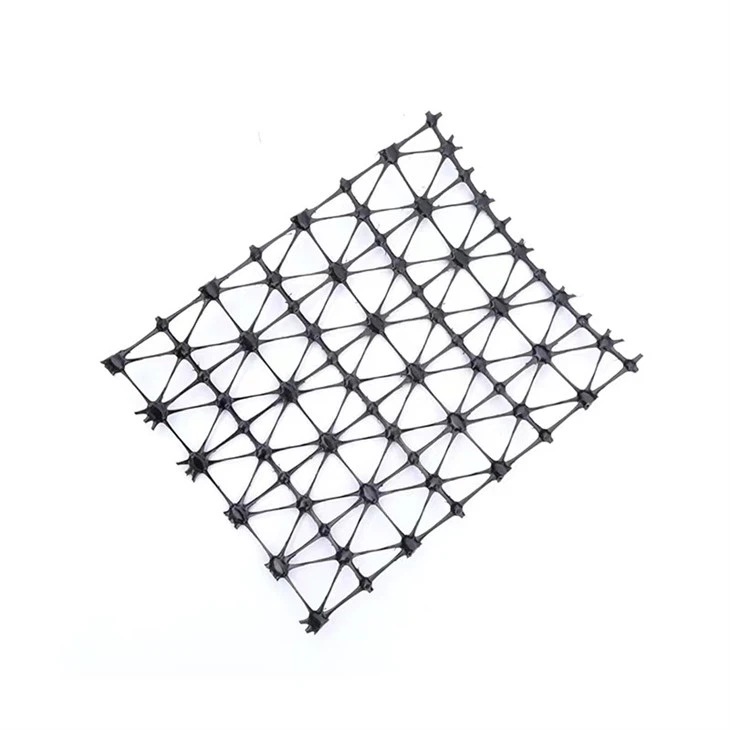
Triaxial Grid is designed to provide high - strength reinforcement in three directions. However, geotextile bags are more suitable for projects where a large volume of soil needs to be reinforced. Geotextile bags can be used to create large - scale structures such as embankments and dikes, which may be more challenging to achieve with triaxial grids alone.
3.3 Polyester Uniaxial Geogrid
Polyester Uniaxial Geogrid offers high tensile strength in one direction. Geotextile bags, on the other hand, can provide reinforcement in multiple directions due to their three - dimensional structure. They are also more effective in preventing soil erosion and can be used in a wider range of soil conditions.

4. Applications of Geotextile Bags in Soil Reinforcement
4.1 Road Construction
In road construction, geotextile bags can be used to reinforce the subgrade. By placing the bags beneath the road surface, the load - bearing capacity of the soil can be increased. This helps to prevent the formation of potholes and rutting, and extends the lifespan of the road.
4.2 Coastal Protection
Geotextile bags are used in coastal protection projects to prevent beach erosion and protect coastal structures. They can be placed along the shoreline to form breakwaters or revetments. The bags absorb the energy of the waves, reducing the impact on the coast and protecting the land from erosion.
4.3 Landfill Liners
In landfill construction, geotextile bags can be used as part of the liner system. They help to prevent the leakage of leachate into the surrounding soil and groundwater. The bags can also provide additional reinforcement to the landfill structure, ensuring its long - term stability.
5. Quality and Customization
As a geotextile bag supplier, we ensure that our geotextile bags meet the highest quality standards. We use high - quality synthetic materials that are resistant to UV radiation, chemicals, and biological degradation. This ensures that the geotextile bags can withstand harsh environmental conditions and provide long - term performance.
We also offer customization options for our geotextile bags. We can produce bags in different sizes, shapes, and colors according to the specific requirements of our customers. This allows our customers to use the geotextile bags in a wide range of applications and projects.
6. Conclusion and Call to Action
Geotextile bags are a versatile and effective solution for soil reinforcement. They offer numerous benefits such as improved soil stability, erosion control, and cost - effectiveness. Whether you are working on a road construction project, a coastal protection scheme, or a landfill liner, geotextile bags can provide the necessary reinforcement.
If you are interested in using geotextile bags for your soil reinforcement project, we invite you to contact us for more information. Our team of experts can provide you with detailed technical advice and help you choose the right geotextile bags for your specific needs. We look forward to working with you on your next project.
References
- Koerner, R. M. (2012). Designing with Geosynthetics. Pearson.
- Bonaparte, R., & Chen, R. (2008). Geosynthetics in Civil Engineering. CRC Press.