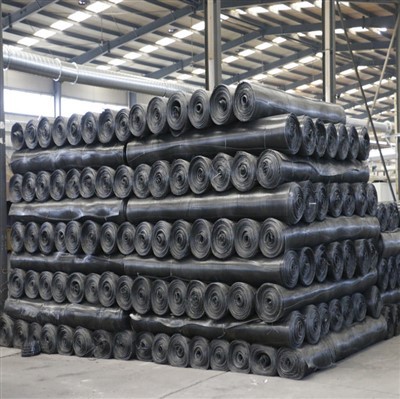
In the realm of geotechnical engineering, uniaxial geogrids have emerged as a revolutionary solution for soil stabilization, slope reinforcement, and various ground improvement applications. As a dedicated uniaxial geogrid supplier, I've witnessed firsthand the transformative potential of these products. However, the path to widespread adoption is not without its challenges. In this blog, I'll delve into the hurdles we face in popularizing uniaxial geogrids and share strategies to overcome them.
Understanding the Challenges
Lack of Awareness
One of the primary obstacles to the widespread use of uniaxial geogrids is the lack of awareness among potential users. Many engineers, contractors, and project owners are simply not familiar with the benefits and applications of these products. This lack of knowledge can lead to a preference for traditional construction methods, even when uniaxial geogrids offer a more cost - effective and efficient solution.
Cost Perception
Another significant challenge is the perception of cost. Uniaxial geogrids may have a higher upfront cost compared to some traditional materials. However, when considering the long - term benefits such as reduced maintenance, increased service life, and improved performance, the overall cost - effectiveness becomes evident. Convincing clients to look beyond the initial investment is a key hurdle.
Regulatory and Standardization Issues
The geogrid industry is subject to various regulations and standards. Ensuring compliance with these requirements can be complex, especially in different regions. Inconsistent standards across countries or even within different states can create confusion for both suppliers and users. This can slow down the adoption process as companies need to navigate a maze of regulatory requirements.
Installation and Technical Expertise
Proper installation of uniaxial geogrids is crucial for their effective performance. However, many contractors may lack the necessary technical expertise to install these products correctly. Incorrect installation can lead to sub - optimal performance, which in turn can damage the reputation of uniaxial geogrids in the market.
Strategies to Overcome the Challenges
Education and Training
To address the lack of awareness, education and training are essential. We, as suppliers, can organize workshops, seminars, and webinars to introduce uniaxial geogrids to engineers, contractors, and project owners. These events can cover the basics of geogrid technology, its applications, and the benefits it offers. We can also provide case studies to illustrate real - world examples of successful uniaxial geogrid projects.
For instance, we can showcase how Hdpe Uniaxial Geogrid has been used in road construction projects to improve the load - bearing capacity of the soil and reduce pavement distress. By demonstrating the practical applications and benefits, we can increase the understanding and acceptance of these products.


Cost - Benefit Analysis
To overcome the cost perception challenge, we need to conduct detailed cost - benefit analyses for our clients. We can compare the upfront cost of uniaxial geogrids with the long - term savings in maintenance, repair, and replacement costs. For example, in a slope stabilization project, using Polyester Uniaxial Geogrid may prevent soil erosion and landslides, reducing the need for costly emergency repairs in the future. By presenting these data - driven analyses, we can help clients make informed decisions based on the total cost of ownership.
Standardization and Regulatory Support
We need to work closely with industry associations and regulatory bodies to promote standardization. By participating in the development of industry standards, we can ensure that our products meet the highest quality and safety requirements. We can also provide support to clients in navigating the regulatory landscape. For example, we can offer documentation and certification to prove that our UX Uniaxial Geogrid complies with relevant standards.
Technical Support and Training
To address the issue of installation and technical expertise, we can provide comprehensive technical support to our clients. This includes on - site training for contractors, detailed installation manuals, and access to technical experts. We can also offer post - installation support to ensure that the uniaxial geogrids are performing as expected. By empowering contractors with the necessary knowledge and skills, we can improve the installation quality and enhance the reputation of our products.
Marketing and Branding
In addition to the above strategies, effective marketing and branding are crucial for popularizing uniaxial geogrids. We need to create a strong brand image that conveys the reliability, quality, and innovation of our products. This can be achieved through various marketing channels, such as trade shows, online advertising, and social media.
We can also leverage customer testimonials and case studies to build trust and credibility. By sharing success stories of our clients, we can demonstrate the real - world benefits of our uniaxial geogrids. This can attract new customers and encourage existing customers to continue using our products.
Conclusion
Popularizing uniaxial geogrids is a challenging but rewarding endeavor. By addressing the key challenges of awareness, cost perception, regulatory issues, and technical expertise, we can increase the adoption of these products in the geotechnical engineering market. As a supplier, we have a responsibility to educate, support, and innovate to overcome these challenges.
If you are interested in learning more about our uniaxial geogrids or have a project in mind, we encourage you to reach out to us. Our team of experts is ready to assist you in finding the right solution for your needs. Let's work together to build a more sustainable and efficient future in geotechnical engineering.
References
- ASTM International. (20XX). Standard test methods for geosynthetics.
- Geosynthetic Institute. (20XX). Geogrid design and installation guidelines.
- National Highway Institute. (20XX). Geosynthetics in highway construction.