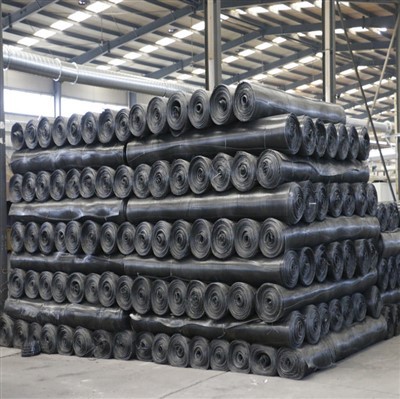
Hey there! As a PVC geomembrane supplier, I've seen my fair share of damaged geomembranes over the years. PVC geomembranes are widely used in various applications, like landfill liners, water containment ponds, and agricultural reservoirs. But they're not indestructible. In this blog, I'll chat about the common causes of PVC geomembrane damage.
1. Installation Errors
One of the biggest culprits behind PVC geomembrane damage is installation mistakes. When installers aren't careful, it can lead to all sorts of problems. For example, if the surface where the geomembrane is being laid isn't properly prepared, it can cause issues. The ground should be smooth, free of sharp rocks, roots, or any debris that could puncture the membrane. If there are bumps or uneven areas, the geomembrane might get stretched or torn during installation.
Another installation error is improper seaming. Seams are crucial for the integrity of the geomembrane. If the seams aren't done correctly, they can become weak points. There are different methods of seaming PVC geomembranes, like heat welding or chemical bonding. If the installer doesn't follow the right procedures, the seams might not hold up over time. This can lead to leaks and other problems down the line.
2. UV Exposure
UV rays from the sun can be a real problem for PVC geomembranes. Over time, prolonged exposure to sunlight can cause the PVC to break down. The UV rays can degrade the polymer chains in the PVC, making the geomembrane brittle and less flexible. This can lead to cracks and tears.
To protect against UV damage, many PVC geomembranes come with UV stabilizers. These stabilizers help to absorb and dissipate the UV energy, reducing the impact on the geomembrane. However, even with UV stabilizers, long - term exposure to sunlight can still cause some damage. It's important to consider covering the geomembrane with soil, vegetation, or other protective materials if it's going to be exposed to the sun for an extended period.
3. Chemical Exposure
PVC geomembranes are generally resistant to many chemicals, but they're not immune. Exposure to certain chemicals can cause the geomembrane to deteriorate. For example, strong acids or alkalis can react with the PVC, causing it to swell, soften, or break down.
In industrial settings, where there might be spills of chemicals, the geomembrane can be at risk. Even in agricultural applications, fertilizers and pesticides can have an impact on the geomembrane. It's important to know the chemical compatibility of the PVC geomembrane with the substances it will be in contact with. If necessary, choose a geomembrane that's specifically designed to resist the chemicals present in the environment.
4. Mechanical Damage
Mechanical damage is another common cause of PVC geomembrane problems. This can happen during installation, maintenance, or normal use. For instance, heavy machinery driving over the geomembrane can cause punctures or tears. Sharp objects, like tools or rocks, can also pierce the membrane.
Animals can also cause mechanical damage. In agricultural areas, livestock might trample on the geomembrane, or burrowing animals could dig under it. Even small rodents can chew through the geomembrane, creating holes and leaks.
5. Thermal Stress
Temperature changes can put stress on PVC geomembranes. PVC expands and contracts with temperature variations. If the geomembrane is installed in an area with extreme temperature fluctuations, it can cause the material to stretch or shrink. Over time, this repeated expansion and contraction can lead to cracks and damage.
For example, in cold climates, the PVC can become more rigid and brittle. If there's any movement or stress on the geomembrane during cold weather, it's more likely to crack. On the other hand, in hot climates, the PVC can soften and become more susceptible to damage.
6. Poor Quality Material
Sometimes, the problem lies with the quality of the PVC geomembrane itself. If the manufacturer uses low - quality raw materials or doesn't follow proper manufacturing processes, the geomembrane might be more prone to damage.
A high - quality PVC geomembrane should have consistent thickness, good tensile strength, and proper chemical resistance. As a supplier, I always make sure to source materials from reliable manufacturers and conduct quality checks to ensure that our customers get the best - quality geomembranes.
How to Prevent PVC Geomembrane Damage
Now that we've talked about the common causes of damage, let's discuss how to prevent it. First, proper installation is key. Hire experienced installers who know how to prepare the surface and seam the geomembrane correctly. Make sure the installation site is free of debris and uneven areas.
Second, protect the geomembrane from UV exposure. If possible, cover it with soil or other protective materials. You can also choose a geomembrane with high - quality UV stabilizers.
Third, be aware of the chemical environment. Test the compatibility of the geomembrane with the chemicals it will be in contact with. If necessary, choose a specialized geomembrane for chemical resistance.
Fourth, take precautions to prevent mechanical damage. Keep heavy machinery away from the geomembrane, and protect it from sharp objects. In areas with animals, use fencing or other deterrents.
Finally, choose a high - quality PVC geomembrane from a reputable supplier. At our company, we offer a wide range of PVC Geomembrane Liner options that are designed to meet different needs and withstand various conditions.

If you're in the market for PVC geomembranes, whether it's for a small agricultural project or a large - scale industrial application, we're here to help. Our team of experts can provide you with the right advice and products to ensure your project is a success. Don't hesitate to reach out to us to discuss your requirements and get a quote. We're committed to providing high - quality products and excellent customer service.
References
- Geomembrane Handbook, published by Geosynthetic Institute
- ASTM standards for PVC geomembranes
- Industry research papers on PVC geomembrane performance and durability