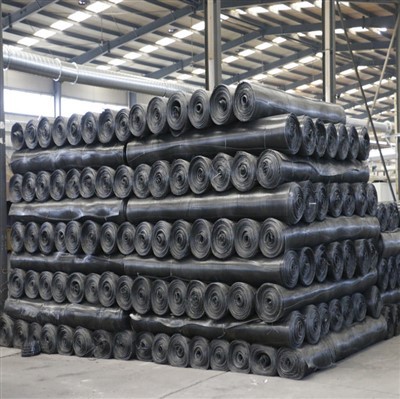

As a supplier of uniaxial geogrids, I've had the privilege of witnessing firsthand the remarkable benefits these products bring to various civil engineering projects. Uniaxial geogrids are high-strength geosynthetic materials with apertures that allow soil particles to interlock, providing reinforcement and stability. They are commonly used in applications such as retaining walls, slope stabilization, and road construction. However, like any engineering solution, uniaxial geogrids are not without their potential problems. In this blog post, I'll discuss some of the key issues that can arise when using uniaxial geogrids and how to mitigate them.
1. Installation Challenges
One of the primary challenges when using uniaxial geogrids is proper installation. Incorrect installation can significantly reduce the effectiveness of the geogrid and compromise the stability of the structure. Some common installation issues include:
- Uneven Placement: If the geogrid is not laid flat and evenly, it can create weak spots in the reinforcement. This can lead to uneven stress distribution and potential failure of the structure. To ensure proper placement, it's essential to follow the manufacturer's installation guidelines and use appropriate equipment, such as rollers or compactors, to ensure the geogrid is firmly in place.
- Overlapping and Seaming: When multiple geogrid panels are used, proper overlapping and seaming are crucial. Insufficient overlap or improper seaming can result in gaps between the panels, reducing the overall strength of the reinforcement. It's important to use the recommended overlap distance and appropriate seaming techniques, such as stitching or welding, to ensure a continuous and strong connection between the panels.
- Tensioning: Uniaxial geogrids need to be properly tensioned during installation to achieve the desired reinforcement effect. If the geogrid is not tensioned correctly, it may not provide sufficient support, leading to settlement or deformation of the structure. Tensioning should be done in accordance with the design specifications, and the use of tensioning devices can help ensure consistent and accurate tensioning.
2. Compatibility with Soil Conditions
The performance of uniaxial geogrids is highly dependent on the soil conditions in which they are used. Different soil types have different properties, such as particle size, density, and moisture content, which can affect the interaction between the geogrid and the soil. Some potential problems related to soil compatibility include:
- Poor Soil - Geogrid Interaction: In some cases, the soil may not interlock effectively with the geogrid apertures. For example, if the soil particles are too large or too small, they may not fit into the apertures, reducing the frictional resistance between the geogrid and the soil. This can result in slippage and reduced reinforcement. To address this issue, soil modification techniques, such as adding fines or using a geotextile separator, may be necessary.
- Soil Erosion and Leaching: In areas with high rainfall or water flow, soil erosion and leaching can occur. This can expose the geogrid and reduce its effectiveness. Additionally, the loss of soil particles can change the soil properties and affect the geogrid - soil interaction. To prevent soil erosion, proper drainage systems should be installed, and the use of erosion control measures, such as vegetation or geotextile blankets, may be required.
- Soil Settlement and Consolidation: Over time, soil settlement and consolidation can occur, especially in areas with soft or compressible soils. This can cause the geogrid to lose its tension and effectiveness. To account for soil settlement, the design should include appropriate allowances for settlement, and the geogrid should be installed with sufficient slack to accommodate any future movement.
3. Chemical and Environmental Degradation
Uniaxial geogrids are exposed to various chemical and environmental factors during their service life, which can lead to degradation and reduced performance. Some of the main factors that can cause degradation include:
- UV Exposure: Ultraviolet (UV) radiation from the sun can cause the geogrid material to degrade over time. This can result in a reduction in strength and durability. To protect the geogrid from UV exposure, it's important to use geogrids with UV stabilizers and cover the geogrid with soil or other protective materials as soon as possible after installation.
- Chemical Exposure: Geogrids may come into contact with various chemicals in the soil, such as acids, alkalis, and salts. These chemicals can react with the geogrid material and cause degradation. For example, in areas with high salt content, the geogrid may be prone to corrosion. To mitigate the effects of chemical exposure, it's important to select geogrids that are resistant to the specific chemicals present in the soil.
- Biological Activity: Microorganisms in the soil, such as bacteria and fungi, can also cause degradation of the geogrid material. These organisms can break down the polymers in the geogrid, reducing its strength and integrity. To prevent biological degradation, the use of biocides or other protective coatings may be necessary.
4. Design and Specification Errors
Another potential problem when using uniaxial geogrids is design and specification errors. Incorrect design can lead to over - or under - estimation of the geogrid's performance, which can result in structural failure or unnecessary costs. Some common design and specification errors include:

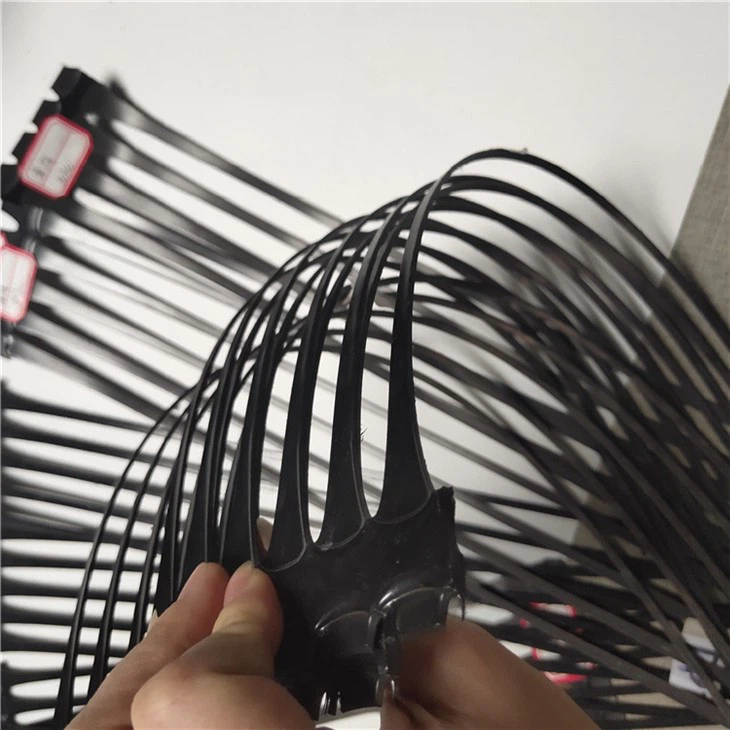
- Inadequate Strength and Stiffness: If the geogrid is not designed to have sufficient strength and stiffness for the specific application, it may not be able to provide the required reinforcement. This can lead to excessive deformation or failure of the structure. It's important to conduct a thorough engineering analysis to determine the appropriate geogrid strength and stiffness based on the load conditions and soil properties.
- Improper Aperture Size and Shape: The aperture size and shape of the geogrid can affect its interaction with the soil. If the aperture size is too large or too small, it may not allow for effective soil interlocking. Similarly, an improper aperture shape can reduce the frictional resistance between the geogrid and the soil. The design should take into account the soil particle size and the desired level of reinforcement when selecting the aperture size and shape.
- Lack of Consideration for Long - Term Performance: Geogrids are designed to provide long - term reinforcement, but their performance can be affected by factors such as creep, relaxation, and environmental degradation. If the design does not consider these long - term effects, the geogrid may not perform as expected over its service life. It's important to use appropriate design methods and materials that can account for these long - term factors.
Mitigating the Potential Problems
While there are potential problems associated with using uniaxial geogrids, these issues can be effectively mitigated through proper planning, installation, and maintenance. Here are some strategies to address the potential problems:
- Proper Installation Training: Ensure that the installation team is properly trained and familiar with the manufacturer's installation guidelines. This will help to minimize installation errors and ensure that the geogrid is installed correctly.
- Soil Testing and Analysis: Conduct thorough soil testing and analysis before selecting the geogrid. This will help to determine the soil properties and ensure that the geogrid is compatible with the soil conditions. Based on the soil analysis, appropriate soil modification techniques can be implemented if necessary.
- Quality Control: Implement a quality control program to ensure that the geogrid materials meet the required standards. This includes testing the geogrid for strength, stiffness, and durability, as well as checking the installation for proper placement, overlapping, and tensioning.
- Regular Inspection and Maintenance: Regularly inspect the geogrid - reinforced structure to detect any signs of degradation or damage. If any issues are identified, take prompt action to repair or replace the geogrid. Additionally, maintain proper drainage systems and erosion control measures to protect the geogrid from environmental factors.
Conclusion
Uniaxial geogrids are a valuable tool in civil engineering, providing reinforcement and stability for various structures. However, it's important to be aware of the potential problems that can arise when using these products and take appropriate measures to mitigate them. By addressing installation challenges, ensuring soil compatibility, protecting against chemical and environmental degradation, and avoiding design and specification errors, we can ensure the long - term performance and reliability of uniaxial geogrid - reinforced structures.
If you're considering using uniaxial geogrids for your next project, I encourage you to explore our range of products. We offer high - quality Uniaxial Geogrid for Retaining Wall, Uniaxial Geogrid For Slope Stabilization, and Polyester Uniaxial Geogrid. Our team of experts can provide you with technical support and guidance to help you select the right geogrid for your specific application. Contact us today to discuss your project requirements and start a procurement negotiation.
References
- Koerner, R. M. (2012). Designing with Geosynthetics. Pearson Prentice Hall.
- ASTM International. (2019). Standard Test Methods for Geotextiles and Geotextile - Related Products. ASTM D4354 - 19.
- FHWA. (2008). Geosynthetics in Civil Engineering. Federal Highway Administration.