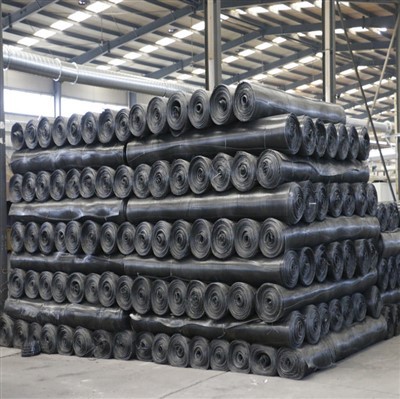
HDPE (High-Density Polyethylene) geocells are innovative and versatile geosynthetic products that have gained significant popularity in various civil engineering applications. These three-dimensional honeycomb-like structures provide effective soil confinement, reinforcement, and stabilization. One of the key factors influencing the performance of HDPE geocells is the choice of backfill materials. In this blog, as an HDPE geocell supplier, I will discuss the recommended backfill materials for HDPE geocells and their advantages in different applications.


Understanding the Role of Backfill Materials in HDPE Geocells
Backfill materials play a crucial role in the functionality of HDPE geocells. They fill the cells of the geocell, providing mass and stability. When properly confined within the geocell, the backfill materials can distribute loads more evenly, reduce soil settlement, and enhance the overall strength of the structure. The choice of backfill material depends on several factors, including the application, soil conditions, and project requirements.
Recommended Backfill Materials
Granular Soils
Granular soils, such as sand, gravel, and crushed stone, are among the most commonly recommended backfill materials for HDPE geocells. These materials have excellent drainage properties, which are essential for preventing water accumulation within the geocell system. The angular shape of the particles provides interlocking, which enhances the stability of the backfill.
- Sand: Sand is a popular choice due to its availability and relatively low cost. It is easy to handle and can be compacted to achieve a high density. Sand is suitable for a wide range of applications, including road construction, slope protection, and foundation stabilization. For example, in road construction, sand can be used as a base layer to improve the load-bearing capacity of the road. Geocell Confinement System For Road Construction
- Gravel and Crushed Stone: Gravel and crushed stone offer higher strength and better load distribution compared to sand. They are often used in applications where higher bearing capacity is required, such as heavy-duty roads and industrial areas. The larger particle size of gravel and crushed stone provides better interlocking, which helps to prevent lateral movement of the backfill.
Recycled Materials
In recent years, there has been a growing trend towards using recycled materials as backfill for HDPE geocells. Recycled materials not only reduce the environmental impact but also offer cost savings.
- Recycled Concrete Aggregate (RCA): RCA is made from crushed concrete waste. It has similar properties to natural gravel and can be used as a substitute in many applications. RCA is a sustainable option that helps to reduce the demand for virgin materials.
- Recycled Asphalt Pavement (RAP): RAP is another recycled material that can be used as backfill. It contains asphalt and aggregates from old pavements. RAP can be mixed with other materials to improve its performance. Using RAP as backfill can also contribute to the reduction of waste in landfills.
Soil-Bentonite Mixtures
Soil-bentonite mixtures are often used in applications where water containment is required, such as landfill liners and pond liners. Bentonite is a clay mineral that has excellent swelling properties, which can help to seal the backfill and prevent water leakage.
- Soil-Bentonite Backfill: A mixture of soil and bentonite can be used to create a low-permeability backfill. The bentonite swells when it comes into contact with water, filling the voids in the soil and creating a tight seal. This type of backfill is suitable for applications where preventing water seepage is critical.
Advantages of Using the Right Backfill Materials
- Improved Load-Bearing Capacity: The right backfill materials, when confined within the HDPE geocell, can significantly improve the load-bearing capacity of the structure. This is especially important in applications such as roads and foundations, where heavy loads need to be supported.
- Enhanced Stability: The interlocking of the backfill particles within the geocell provides enhanced stability, reducing the risk of soil erosion and slope failure. This is particularly beneficial in slope protection applications. HDPE Geocell For Slope Protection System
- Better Drainage: Granular backfill materials, such as sand and gravel, allow for better drainage, preventing water accumulation and reducing the risk of soil saturation. This is crucial for maintaining the integrity of the structure.
- Sustainability: Using recycled materials as backfill promotes sustainability by reducing the demand for virgin materials and minimizing waste.
Considerations When Choosing Backfill Materials
- Soil Conditions: The existing soil conditions at the project site should be considered when choosing backfill materials. If the soil is soft or has poor drainage, a more stable and well-draining backfill material may be required.
- Project Requirements: The specific requirements of the project, such as load-bearing capacity, water containment, and slope stability, should also be taken into account. For example, in a landfill application, a low-permeability backfill may be necessary to prevent leachate leakage.
- Availability and Cost: The availability and cost of the backfill materials are important factors. It is essential to choose materials that are readily available and cost-effective without compromising the performance of the geocell system.
Conclusion
Choosing the right backfill materials for HDPE geocells is crucial for the success of any civil engineering project. Granular soils, recycled materials, and soil-bentonite mixtures are all viable options, each with its own advantages. By considering the soil conditions, project requirements, and cost, the most suitable backfill material can be selected to ensure the optimal performance of the HDPE geocell system.
As an HDPE geocell supplier, we are committed to providing high-quality geocell products and expert advice on backfill materials. Our High Strength HDPE Geocell is designed to withstand heavy loads and harsh environmental conditions. If you are interested in purchasing HDPE geocells or need more information about backfill materials, please feel free to contact us for a detailed discussion. We look forward to working with you on your next project.
References
- Koerner, R. M. (2012). Designing with Geosynthetics. Pearson Prentice Hall.
- ASTM International. (2019). Standard Specifications for Geosynthetic Materials. ASTM Standards.