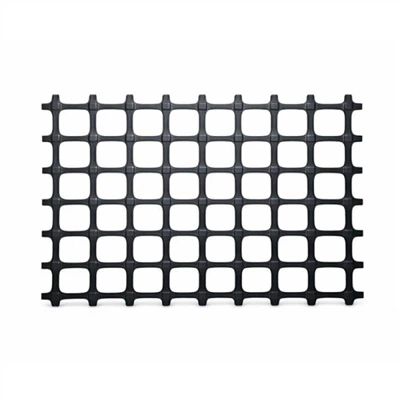

Retaining slopes are a common feature in civil engineering, used to hold back soil and prevent erosion. However, maintaining the stability of these slopes can be a significant challenge, especially in areas with high levels of rainfall or seismic activity. One effective solution to this problem is the use of biaxial geogrids. As a biaxial geogrid supplier, I have seen firsthand the benefits that these products can offer in improving the stability of retaining slopes. In this blog post, I will explore how biaxial geogrids work and why they are an excellent choice for slope stabilization.
Understanding Biaxial Geogrids
Biaxial geogrids are a type of geosynthetic material made from high-strength polymers, such as polypropylene or polyethylene. They are characterized by their two-way (biaxial) tensile strength, which means they can resist forces in both the longitudinal and transverse directions. This unique property makes them particularly effective in reinforcing soil and improving the stability of retaining slopes.
The structure of a biaxial geogrid consists of a series of intersecting ribs that form a grid pattern. These ribs are connected at the intersections, creating a strong and stable network. The open spaces between the ribs allow soil particles to interlock with the geogrid, providing additional reinforcement and preventing soil movement.
How Biaxial Geogrids Improve Slope Stability
There are several ways in which biaxial geogrids can improve the stability of retaining slopes:
1. Reinforcement of Soil
One of the primary functions of biaxial geogrids is to reinforce the soil. When installed in a retaining slope, the geogrid distributes the load over a larger area, reducing the stress on the soil. This helps to prevent soil failure and increases the overall stability of the slope.


The interlocking of soil particles with the geogrid also creates a composite material that is stronger and more resistant to deformation. This composite action allows the geogrid to transfer the load from the soil to the geogrid, reducing the risk of slope failure.
2. Increased Shear Resistance
Biaxial geogrids can significantly increase the shear resistance of the soil. Shear resistance is the ability of the soil to resist forces that cause it to slide or deform. By providing additional reinforcement, the geogrid helps to increase the shear strength of the soil, making it more stable.
The grid structure of the biaxial geogrid also helps to prevent soil particles from sliding past each other. This interlocking effect further enhances the shear resistance of the soil and reduces the risk of slope failure.
3. Erosion Control
Another important benefit of biaxial geogrids is their ability to control erosion. Erosion can weaken the soil and cause slope instability. By providing a stable surface for the soil, the geogrid helps to prevent erosion and protect the slope from damage.
The open structure of the geogrid allows water to drain through, reducing the pressure on the soil and preventing waterlogging. This helps to maintain the stability of the slope and prevent erosion.
4. Improved Drainage
Biaxial geogrids can also improve the drainage of the soil. Water can accumulate in the soil, increasing the weight and reducing the stability of the slope. By allowing water to drain through the geogrid, the pressure on the soil is reduced, and the risk of slope failure is minimized.
The open spaces between the ribs of the geogrid provide a pathway for water to flow, preventing water from pooling and causing damage to the slope. This improved drainage helps to maintain the stability of the soil and reduces the risk of erosion.
Types of Biaxial Geogrids
There are several types of biaxial geogrids available on the market, each with its own unique properties and applications. Some of the most common types include:
1. High-Tensile Steel Plastic Geogrid 30 - 120kN
This type of geogrid is made from a combination of high-strength steel and plastic. It offers high tensile strength and is suitable for applications where high loads need to be supported. You can find more information about High-Tensile Steel Plastic Geogrid 30 - 120kN on our website.
2. Biaxial Polypropylene Geogrid
Biaxial polypropylene geogrids are made from polypropylene, a lightweight and durable polymer. They are resistant to chemicals and UV radiation, making them suitable for a wide range of applications. For more details on Biaxial Polypropylene Geogrid, please visit our website.
3. Biaxial Plastic Geogrid
Biaxial plastic geogrids are made from various types of plastics, such as polyethylene or polyvinyl chloride (PVC). They are cost-effective and easy to install, making them a popular choice for many slope stabilization projects. You can learn more about Biaxial Plastic Geogrid on our website.
Installation of Biaxial Geogrids
Proper installation of biaxial geogrids is crucial for ensuring their effectiveness in improving slope stability. The following steps are typically involved in the installation process:
1. Site Preparation
The first step is to prepare the site by clearing the area of any vegetation, debris, or loose soil. The slope should be graded to the desired slope angle and compacted to ensure a stable base.
2. Geogrid Placement
The biaxial geogrid is then placed on the prepared slope. It should be unrolled in the direction of the slope and aligned with the slope face. The geogrid should be overlapped at the seams to ensure a continuous and strong connection.
3. Anchoring
The geogrid is anchored to the slope using stakes or other anchoring devices. The anchors should be placed at regular intervals along the geogrid to prevent it from moving or shifting.
4. Backfilling
Once the geogrid is anchored, the slope is backfilled with soil. The soil should be placed in layers and compacted to ensure proper compaction and integration with the geogrid.
5. Surface Protection
Finally, the surface of the slope can be protected with a layer of topsoil, grass, or other vegetation. This helps to prevent erosion and improve the aesthetic appearance of the slope.
Case Studies
To illustrate the effectiveness of biaxial geogrids in improving slope stability, let's look at a few case studies:
Case Study 1: Highway Embankment
A highway embankment was experiencing significant slope instability due to heavy rainfall and poor soil conditions. Biaxial geogrids were installed along the slope to reinforce the soil and prevent further movement. After the installation, the slope remained stable, and there were no signs of further erosion or failure.
Case Study 2: Retaining Wall
A retaining wall was built to support a steep slope in a residential area. Biaxial geogrids were used to reinforce the soil behind the wall and improve its stability. The geogrids helped to distribute the load evenly and prevent the wall from collapsing.
Case Study 3: Landfill Slope
A landfill slope was prone to erosion and instability due to the high volume of waste and the presence of water. Biaxial geogrids were installed to control erosion and improve the stability of the slope. The geogrids helped to prevent soil movement and protect the landfill from environmental damage.
Conclusion
In conclusion, biaxial geogrids are an effective solution for improving the stability of retaining slopes. They offer several benefits, including soil reinforcement, increased shear resistance, erosion control, and improved drainage. By choosing the right type of geogrid and following proper installation procedures, you can ensure the long-term stability of your retaining slopes.
If you are interested in purchasing biaxial geogrids for your slope stabilization project, please contact us for more information. We are a leading supplier of biaxial geogrids and can provide you with high-quality products and professional advice.
References
- Koerner, R. M. (2012). Designing with Geosynthetics. Pearson.
- Bonaparte, R., & Christopher, B. R. (2009). Geosynthetics in Civil Engineering. CRC Press.
- Giroud, J. P., & Han, J. (2004). Design and Construction of Geosynthetic Reinforced Soil Structures. ASCE.