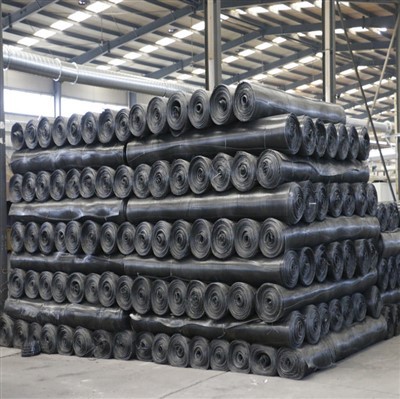
Hey there! As a spunbond fabric supplier, I know how crucial it is to ensure the quality of our products. Spunbond fabric is used in a wide range of applications, from agriculture and construction to healthcare and personal care. So, making sure it meets the required standards is a must. In this blog, I'll share with you how to test the quality of spunbond fabric.
Physical Appearance Inspection
The first step in testing spunbond fabric is a simple visual inspection. You can start by looking at the overall appearance of the fabric. It should have a uniform color and texture. Any signs of discoloration, stains, or unevenness could indicate a quality issue.
Check for any holes, tears, or thin spots in the fabric. These can weaken the fabric and make it less suitable for its intended use. Also, look at the edges of the fabric. They should be clean and straight, without any fraying or raggedness.
Another thing to look out for is the presence of foreign particles or debris in the fabric. This could be a sign of poor manufacturing processes or contamination during storage or transportation.
Tensile Strength Testing
Tensile strength is one of the most important properties of spunbond fabric. It measures the fabric's ability to resist breaking under tension. To test the tensile strength, you'll need a tensile testing machine.
First, cut a sample of the fabric into a standard size, usually a strip about 2 inches wide and 6 inches long. Then, clamp the sample between the jaws of the testing machine. Make sure the sample is aligned properly and there is no slack.
The testing machine will then gradually pull the fabric apart at a constant speed. The machine will record the maximum force required to break the fabric. This value is the fabric's tensile strength.
A high tensile strength indicates that the fabric is strong and durable. For applications where the fabric needs to withstand a lot of stress, like in geotextiles or industrial applications, a high tensile strength is essential.
Elongation Testing
Elongation is another important property of spunbond fabric. It measures how much the fabric can stretch before it breaks. To test the elongation, you can use the same tensile testing machine as for the tensile strength test.
During the tensile strength test, the machine will also record the amount of stretch in the fabric before it breaks. This value is expressed as a percentage of the original length of the fabric.
For example, if a fabric sample with an original length of 6 inches stretches to 9 inches before it breaks, the elongation is 50% ((9 - 6) / 6 * 100).

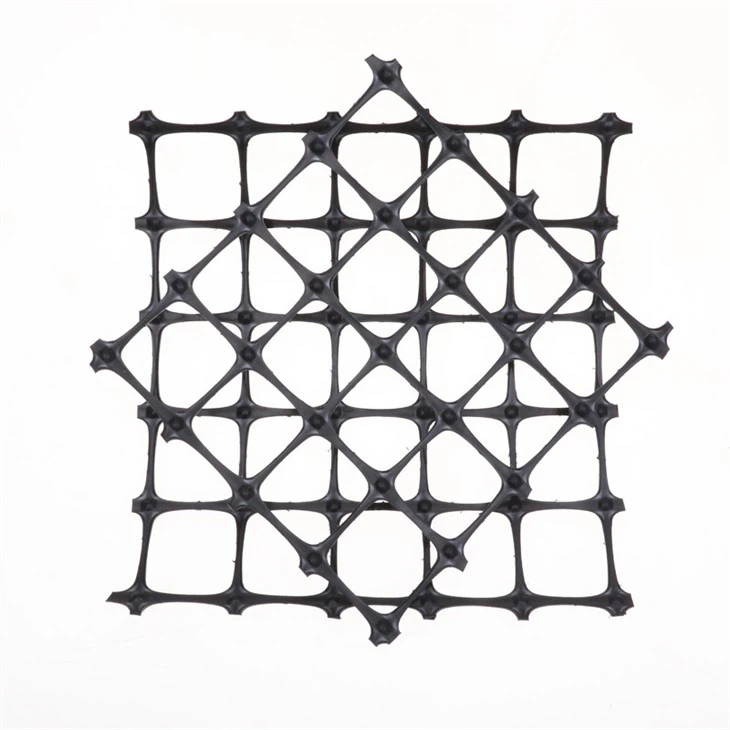
The elongation of spunbond fabric can vary depending on its intended use. For some applications, like in elastic bands or stretchable clothing, a high elongation is desirable. For other applications, like in rigid structures or filtration, a lower elongation may be preferred.
Pore Size and Permeability Testing
The pore size and permeability of spunbond fabric are important for applications where the fabric needs to allow the passage of air, liquids, or particles. For example, in filtration applications, the pore size determines what size of particles the fabric can trap.
To test the pore size, you can use a microscope or a pore size analyzer. The microscope allows you to visually observe the pores in the fabric and estimate their size. The pore size analyzer uses a more advanced technique, like the bubble point method, to measure the average pore size.
Permeability testing measures how easily air or liquid can pass through the fabric. There are different methods to test permeability, depending on the type of fluid and the application. For air permeability, you can use an air permeability tester. The tester measures the rate at which air passes through a sample of the fabric under a certain pressure.
For liquid permeability, you can use a water permeability tester. The tester measures the rate at which water passes through the fabric. A high permeability indicates that the fabric allows the fluid to pass through easily, while a low permeability indicates that the fabric is more resistant to fluid flow.
Resistance to Chemicals and UV Radiation
Spunbond fabric may be exposed to various chemicals and UV radiation in its end-use applications. So, it's important to test its resistance to these factors.
To test the resistance to chemicals, you can soak a sample of the fabric in different chemicals for a certain period of time. Then, observe the changes in the fabric's appearance, strength, and other properties. For example, if the fabric becomes discolored, brittle, or loses its strength after being exposed to a chemical, it may not be suitable for applications where it will come into contact with that chemical.
UV radiation can also cause damage to spunbond fabric over time. To test the resistance to UV radiation, you can expose a sample of the fabric to a UV light source for a certain period of time. Then, measure the changes in the fabric's properties, such as its color, strength, and elongation. A fabric with good UV resistance will show minimal changes after being exposed to UV radiation.
Comparing with Industry Standards
Once you've conducted all the tests, it's important to compare the results with the relevant industry standards. Different applications may have different requirements for the quality of spunbond fabric. For example, the standards for medical-grade spunbond fabric are much higher than those for general-purpose packaging fabric.
By comparing your test results with the industry standards, you can determine if your fabric meets the requirements. If the fabric does not meet the standards, you may need to adjust your manufacturing processes or source different raw materials.
Conclusion
Testing the quality of spunbond fabric is a multi-step process that involves physical appearance inspection, tensile strength testing, elongation testing, pore size and permeability testing, and resistance to chemicals and UV radiation testing. By conducting these tests and comparing the results with industry standards, you can ensure that your spunbond fabric meets the required quality for its intended use.
If you're in the market for high-quality spunbond fabric, we've got you covered. We're committed to providing top-notch products that meet the highest standards. And if you're also looking for other related products, we can offer Biaxial Plastic Geogrid, PP Biaxial Geogrid, and Polyester Uniaxial Geogrid.
If you have any questions or are interested in purchasing our products, feel free to reach out and start a procurement discussion. We're here to help you find the best solutions for your needs.
References
- ASTM International. (2023). ASTM standards related to nonwoven fabrics.
- ISO. (2023). International standards for textile testing.
- Textile Institute. (2023). Handbook of textile testing and analysis.