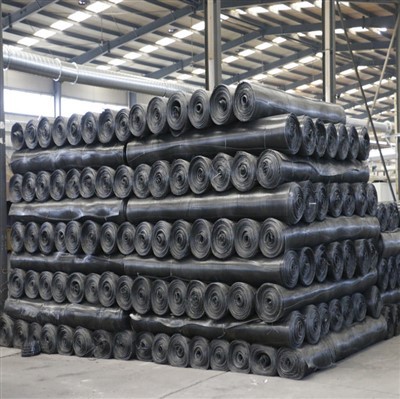
In the realm of civil engineering and construction, geogrids have emerged as a revolutionary solution, offering a plethora of advantages that significantly enhance the performance and longevity of various projects. As a leading geogrids supplier, we are excited to delve into the numerous benefits of using geogrids in this blog post.
1. Soil Stabilization
One of the primary advantages of geogrids is their ability to stabilize soil. When geogrids are installed in soil, they interlock with the soil particles, creating a composite structure that distributes loads more evenly. This interlocking mechanism increases the soil's shear strength and reduces the potential for soil movement. For instance, in road construction, geogrids can be used to reinforce the subgrade, preventing rutting and pavement failure. By stabilizing the soil, geogrids extend the lifespan of roads and reduce maintenance costs.
2. Erosion Control
Geogrids play a crucial role in erosion control. They can be used to prevent soil erosion on slopes, embankments, and shorelines. When installed on slopes, geogrids hold the soil in place, reducing the impact of water runoff and preventing soil from being washed away. This is particularly important in areas prone to heavy rainfall or flooding. Geogrids can also be used in combination with vegetation to enhance erosion control. The geogrid provides initial stability, while the vegetation takes root and further strengthens the soil over time.
3. Reinforcement of Retaining Walls
Retaining walls are structures designed to hold back soil and prevent it from collapsing. Geogrids can be used to reinforce retaining walls, increasing their stability and load-bearing capacity. By incorporating geogrids into the wall structure, the wall can withstand greater lateral forces, reducing the risk of failure. This is especially important in tall or steep retaining walls. Geogrids also help to distribute the load more evenly across the wall, reducing stress concentrations and extending the wall's lifespan.
4. Cost Savings
Using geogrids can result in significant cost savings in construction projects. By stabilizing the soil and reducing the need for extensive excavation and backfilling, geogrids can lower the overall cost of the project. Additionally, the increased lifespan of structures reinforced with geogrids means reduced maintenance and replacement costs over time. For example, in road construction, the use of geogrids can reduce the thickness of the pavement layers, saving on material costs.
5. Environmental Benefits
Geogrids offer several environmental benefits. By preventing soil erosion, they help to protect natural habitats and water quality. Erosion can carry sediment and pollutants into water bodies, causing environmental damage. Geogrids also reduce the need for large amounts of fill material, which can be sourced from natural areas. This helps to conserve natural resources and reduce the environmental impact of construction projects.
6. Versatility
Geogrids are highly versatile and can be used in a wide range of applications. They are available in different materials, such as Bx Geogrid [/geogrids/biaxial-geogrid/bx-geogrid.html], Fiberglass Reinforced Geogrid [/geogrids/fiberglass-geogrids/fiberglass-reinforced-geogrid.html], and Hdpe Uniaxial Geogrid [/geogrids/uniaxial-geogrid/hdpe-uniaxial-geogrid.html], each with its own unique properties and advantages. This allows engineers to select the most suitable geogrid for their specific project requirements. Geogrids can be used in road construction, railway embankments, landfill liners, and many other applications.
7. Easy Installation
Geogrids are relatively easy to install, which can save time and labor costs during construction. They can be laid out on the ground and secured in place using simple techniques. The installation process is less disruptive compared to traditional construction methods, which often involve extensive excavation and heavy machinery. This makes geogrids a convenient and efficient solution for construction projects.
8. Improved Performance in Challenging Conditions
Geogrids can perform well in challenging soil conditions, such as soft or expansive soils. In soft soils, geogrids can provide additional support and prevent settlement. In expansive soils, which expand and contract with changes in moisture content, geogrids can help to control soil movement and reduce the risk of damage to structures. This makes geogrids a valuable solution for construction projects in areas with difficult soil conditions.


9. Long-Term Durability
Geogrids are designed to be durable and resistant to environmental factors such as UV radiation, chemicals, and biological degradation. This ensures that they can maintain their performance over a long period of time. The long-term durability of geogrids means that structures reinforced with them can have a longer lifespan, reducing the need for frequent repairs and replacements.
10. Enhanced Safety
By improving the stability and performance of structures, geogrids contribute to enhanced safety. In road construction, for example, geogrids can reduce the risk of pavement failure and accidents. In retaining wall applications, they can prevent wall collapse, which could pose a danger to people and property. The use of geogrids helps to ensure the safety of construction projects and the people who use them.
In conclusion, the advantages of using geogrids are numerous and significant. From soil stabilization and erosion control to cost savings and environmental benefits, geogrids offer a versatile and effective solution for a wide range of construction projects. As a geogrids supplier, we are committed to providing high-quality geogrids that meet the needs of our customers. If you are interested in learning more about our geogrids or would like to discuss your project requirements, please feel free to contact us for a consultation. We look forward to working with you to achieve your construction goals.
References
- Koerner, R. M. (2012). Designing with Geosynthetics. Pearson.
- Giroud, J. P., & Han, J. (2004). Design and construction of mechanically stabilized earth walls and reinforced soil slopes. ASCE.
- Bonaparte, R., & Daniel, D. E. (1996). Geosynthetics in waste containment. CRC Press.