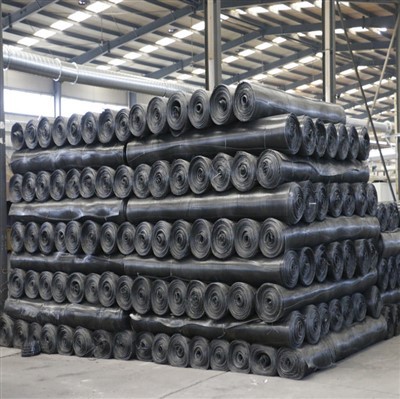
As a supplier of uniaxial geogrids, I've witnessed firsthand the transformative impact these materials have on civil engineering projects. Uniaxial geogrids are designed to provide high tensile strength in one direction, making them ideal for applications such as soil reinforcement, slope stabilization, and road construction. One of the key properties that engineers need to understand when using uniaxial geogrids is creep behavior. In this blog post, I'll delve into what creep behavior is, why it matters, and how it affects the performance of uniaxial geogrids.
What is Creep?
Creep is the time - dependent deformation of a material under a constant load. When a uniaxial geogrid is subjected to a sustained load, it will gradually stretch over time. This stretching is not an immediate response to the load but occurs slowly as the material's molecular structure adjusts to the applied stress. Creep is a complex phenomenon that is influenced by several factors, including the material properties of the geogrid, the magnitude of the applied load, the temperature, and the duration of the load.
Factors Affecting Creep Behavior of Uniaxial Geogrids
Material Properties
The type of polymer used in the manufacturing of the uniaxial geogrid plays a significant role in its creep behavior. High - density polyethylene (HDPE) is a commonly used material for uniaxial geogrids due to its excellent chemical resistance, durability, and relatively low cost. HDPE uniaxial geogrids have a certain level of inherent creep resistance, but the specific formulation and manufacturing process can affect this property. For example, the degree of crystallinity of the HDPE can influence its creep behavior. A higher degree of crystallinity generally results in better creep resistance because the crystalline regions provide more resistance to molecular movement. You can find more information about Hdpe Uniaxial Geogrid on our website.
Applied Load
The magnitude of the applied load is directly related to the amount of creep that will occur. Higher loads will cause more rapid and greater deformation over time. In civil engineering applications, the design load is carefully calculated based on the specific requirements of the project. For example, in a road construction project, the geogrid needs to withstand the weight of traffic, as well as the forces exerted by the soil. Engineers need to ensure that the geogrid is selected and installed in a way that can handle the expected loads without excessive creep.
Temperature
Temperature has a significant impact on the creep behavior of uniaxial geogrids. As the temperature increases, the molecular mobility of the polymer material also increases, which leads to more pronounced creep. In hot climates, the geogrid may experience higher levels of creep compared to cooler regions. This means that when designing a project in a high - temperature environment, engineers need to take into account the potential increase in creep and select a geogrid with appropriate temperature - resistant properties. You can explore HDPE Unaixial Geogrid which offers good performance under different temperature conditions.
Duration of Load
The longer a load is applied to a uniaxial geogrid, the more creep will occur. In long - term applications such as permanent soil reinforcement, the geogrid will be subjected to a continuous load for many years. Over time, the cumulative effect of creep can lead to significant deformation. Therefore, it is crucial to consider the expected service life of the project when evaluating the creep behavior of the geogrid.


Why Creep Behavior Matters in Civil Engineering
In civil engineering, the creep behavior of uniaxial geogrids is of utmost importance because it can affect the long - term stability and performance of a structure. For example, in a slope stabilization project, if the geogrid creeps excessively, it may lose its ability to hold the soil in place, leading to slope failure. In road construction, excessive creep of the geogrid can cause the road surface to deform, resulting in unevenness and potential safety hazards.
Engineers use creep test results to predict the long - term performance of uniaxial geogrids. By conducting laboratory tests under controlled conditions, they can obtain data on the creep rate of the geogrid over time. This data is then used to design the geogrid installation and select the appropriate geogrid for the project. For instance, if the expected service life of a project is 50 years, the engineer will use the creep test data to ensure that the geogrid will not experience excessive deformation during this period.
Testing and Standards for Creep Behavior
To ensure the quality and performance of uniaxial geogrids, there are several testing methods and standards available. One of the commonly used tests is the creep test, which involves applying a constant load to a geogrid specimen and measuring the deformation over time. The test is usually conducted at a specific temperature and humidity level to simulate real - world conditions.
Standards such as ASTM D5262 provide guidelines for conducting creep tests on geosynthetics, including uniaxial geogrids. These standards specify the test conditions, the loading protocol, and the data collection requirements. By following these standards, manufacturers can ensure that their uniaxial geogrids meet the required creep performance criteria.
How Our Uniaxial Geogrids Perform in Terms of Creep
At our company, we are committed to providing high - quality uniaxial geogrids with excellent creep resistance. Our Uniaxial Geogrids For Civil Engineering are manufactured using advanced processes and high - quality HDPE materials. We conduct extensive creep testing on our products to ensure that they meet or exceed industry standards.
Our engineers work closely with clients to understand the specific requirements of their projects. We take into account factors such as the applied load, temperature, and service life to recommend the most suitable uniaxial geogrid. By using our geogrids, clients can have confidence in the long - term stability and performance of their civil engineering projects.
Conclusion
Understanding the creep behavior of uniaxial geogrids is essential for engineers and contractors involved in civil engineering projects. Creep is a time - dependent deformation that can affect the long - term performance of the geogrid and the structure it supports. By considering factors such as material properties, applied load, temperature, and duration of load, engineers can select the appropriate geogrid and design the installation to minimize the effects of creep.
As a supplier of uniaxial geogrids, we are dedicated to providing high - quality products with excellent creep resistance. If you are working on a civil engineering project and need uniaxial geogrids, we invite you to contact us for more information and to discuss your specific requirements. Our team of experts is ready to assist you in selecting the right geogrid for your project.
References
- ASTM D5262. Standard Test Method for Determining the Creep Behavior of Geosynthetics.
- Koerner, R. M. (2012). Designing with Geosynthetics. Pearson.
- Bonaparte, R., & Christopher, B. R. (1993). Geosynthetics in Civil Engineering. Prentice Hall.