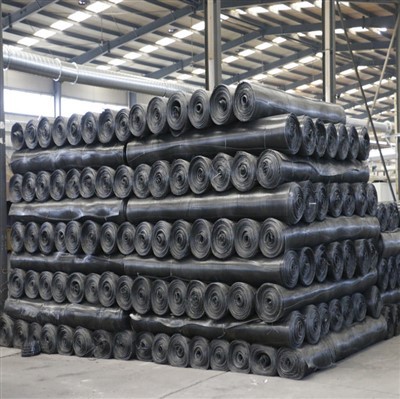
As a supplier of non-woven geotextiles, I've witnessed firsthand the diverse applications and benefits of these remarkable materials. One question that often arises among our clients is about the resistance of non-woven geotextiles to biological degradation. In this blog, I'll delve into this topic, exploring the factors that influence biological degradation and how non-woven geotextiles stand up to these challenges.
Understanding Biological Degradation
Biological degradation refers to the breakdown of materials by living organisms, such as bacteria, fungi, and insects. In the context of non-woven geotextiles, this process can have significant implications for their performance and longevity. Microorganisms secrete enzymes that can break down the chemical bonds in the geotextile fibers, leading to a loss of strength and integrity over time.
Factors Affecting Biological Degradation
Several factors can influence the rate and extent of biological degradation in non-woven geotextiles. These include:
-
Fiber Composition: The type of fibers used in the geotextile plays a crucial role in its resistance to biological degradation. Synthetic fibers, such as polypropylene and polyester, are generally more resistant to microbial attack than natural fibers like jute or cotton. Polypropylene, for example, is hydrophobic and has a low affinity for water, which makes it less susceptible to the growth of microorganisms.
-
Environmental Conditions: The environment in which the geotextile is installed can also impact its resistance to biological degradation. High temperatures, humidity, and the presence of organic matter can create favorable conditions for microbial growth. In addition, the pH level of the soil or water can affect the activity of microorganisms. Acidic or alkaline conditions can either enhance or inhibit the growth of bacteria and fungi.
-
Exposure to Microorganisms: The presence of specific microorganisms in the environment can also influence the degradation of non-woven geotextiles. Some bacteria and fungi are capable of breaking down synthetic fibers, while others may only target natural fibers. For example, certain strains of bacteria can produce enzymes that degrade polyester fibers, while others may be more effective at breaking down cellulose-based materials.
Resistance of Non-Woven Geotextiles to Biological Degradation
Non-woven geotextiles made from synthetic fibers, such as polypropylene and polyester, generally exhibit good resistance to biological degradation. These fibers are chemically stable and have a low susceptibility to microbial attack. In addition, many non-woven geotextiles are treated with antimicrobial agents to further enhance their resistance to biological degradation.
However, it's important to note that the resistance of non-woven geotextiles to biological degradation can vary depending on the specific product and the environmental conditions. In some cases, the presence of certain microorganisms or extreme environmental conditions can still lead to degradation over time. Therefore, it's essential to select the appropriate geotextile for the specific application and to follow proper installation and maintenance procedures.
Testing and Evaluation
To assess the resistance of non-woven geotextiles to biological degradation, various testing methods are available. These include laboratory tests, such as soil burial tests and microbial growth tests, as well as field tests in real-world environments. These tests can provide valuable information about the performance of the geotextile under different conditions and help to determine its suitability for specific applications.
Applications and Benefits
Non-woven geotextiles with good resistance to biological degradation are widely used in a variety of applications, including:
-
Soil Stabilization: Non-woven geotextiles can be used to reinforce soil and prevent erosion. Their resistance to biological degradation ensures that they maintain their strength and integrity over time, providing long-term stability to the soil.
-
Drainage Systems: Geotextiles are often used in drainage systems to filter and separate soil particles while allowing water to pass through. Their resistance to biological degradation helps to prevent clogging and maintain the efficiency of the drainage system.
-
Landfill Liners: Non-woven geotextiles are used as liners in landfills to prevent the leakage of waste and contaminants into the surrounding environment. Their resistance to biological degradation ensures that they provide a reliable barrier over the long term.
Conclusion
In conclusion, the resistance of non-woven geotextiles to biological degradation is an important factor to consider when selecting these materials for various applications. Synthetic fibers, such as polypropylene and polyester, generally offer good resistance to microbial attack, but the specific performance can vary depending on the product and the environmental conditions. By understanding the factors that influence biological degradation and selecting the appropriate geotextile for the specific application, you can ensure the long-term performance and durability of your project.
If you're interested in learning more about our non-woven geotextiles or have any questions about their resistance to biological degradation, please don't hesitate to [contact us for a consultation]. We're here to help you find the right solution for your needs.

References
- ASTM D5988 - Standard Test Method for Determining Aerobic Biodegradation of Plastic Materials in Soil by Measuring Oxygen Demand in a Laboratory Scale Test
- ISO 11721 - Textiles - Determination of the resistance of fabrics to biological attack by fungi and bacteria
- Geosynthetics Institute (GSI) - Technical Guidelines for Geotextiles and Geomembranes
For more information on related products, you can also check out our Biaxial Plastic Geogrid.