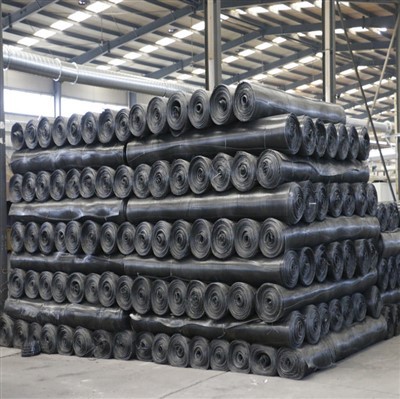
Hey there, fellow landscaping enthusiasts! I'm a supplier of non-woven geotextiles, and I've seen firsthand how these nifty materials can play a huge role in our green projects. Today, I want to chat about how non-woven geotextiles affect plant growth when used in landscaping.
What Are Non-Woven Geotextiles?
First off, let's get on the same page about what non-woven geotextiles are. They're basically synthetic fabrics made from polyester or polypropylene fibers. These fibers are randomly arranged and then bonded together through heat, chemicals, or mechanical processes. The result is a flexible, porous material that's super useful in landscaping.
Benefits for Plant Growth
Soil Erosion Control
One of the biggest perks of using non-woven geotextiles in landscaping is soil erosion control. When you're planting in an area with a slope or where the soil is loose, there's a high risk of soil being washed away by rain or blown away by wind. Non-woven geotextiles act as a protective layer. They hold the soil in place, allowing the plant roots to establish themselves more easily. For instance, if you're planting a new garden on a hillside, laying down a non-woven geotextile before adding the soil and plants can prevent the soil from sliding down, giving your plants a stable foundation to grow.
Weed Suppression
Weeds are the bane of every gardener's existence. Non-woven geotextiles can be a great solution for weed suppression. They block sunlight from reaching the weed seeds in the soil, preventing them from germinating. This means less time spent pulling weeds and more time enjoying your beautiful plants. You can cut holes in the geotextile for your desired plants to grow through, while keeping the weeds at bay.
Moisture Management
Non-woven geotextiles are also excellent at managing soil moisture. They allow water to penetrate the soil while at the same time reducing evaporation. This means that the soil stays moist for longer periods, which is especially beneficial for young plants that need consistent moisture to grow. In hot and dry climates, this moisture retention can be a game-changer for your landscaping project.
Root Protection
These geotextiles can protect the roots of plants from damage. They act as a barrier between the soil and any heavy machinery or foot traffic that might occur in the landscaping area. For example, if you're doing some landscaping work near a tree, laying down a non-woven geotextile can prevent the roots from being compacted or damaged by equipment.
Potential Drawbacks
Root Restriction
While non-woven geotextiles can protect roots, they can also potentially restrict root growth in some cases. If the geotextile is too thick or the pores are too small, the roots may have a hard time penetrating through it. This can limit the plant's ability to spread its roots and access nutrients and water in the surrounding soil. However, modern non-woven geotextiles are designed to have the right balance of porosity to allow root penetration while still providing the benefits mentioned above.
Nutrient Availability
In rare cases, non-woven geotextiles might affect nutrient availability in the soil. If the geotextile creates a barrier that prevents the natural movement of nutrients through the soil, it could lead to a deficiency in certain nutrients for the plants. However, this is usually not a problem if the geotextile is installed correctly and the soil is properly fertilized.

Choosing the Right Non-Woven Geotextile
When it comes to choosing the right non-woven geotextile for your landscaping project, there are a few things to consider.
Weight and Thickness
The weight and thickness of the geotextile will depend on the specific needs of your project. For general weed suppression and soil erosion control, a lightweight geotextile might be sufficient. However, if you're dealing with heavy traffic or a more challenging slope, you might need a thicker and heavier geotextile.
Porosity
As I mentioned earlier, porosity is an important factor. You want a geotextile with enough porosity to allow water, air, and roots to pass through, but not so porous that it won't effectively suppress weeds.
Durability
You'll also want to consider the durability of the geotextile. If your landscaping project is a long-term one, you'll need a geotextile that can withstand the elements and last for several years.
Complementary Products
Non-woven geotextiles can work great in conjunction with other landscaping products. For example, Biaxial Plastic Geogrid is a fantastic addition. It provides additional soil stabilization, especially in areas with high stress or where you need extra reinforcement. When used together with non-woven geotextiles, you can create a more robust and long-lasting landscaping solution.
Conclusion
In conclusion, non-woven geotextiles can have a significant positive impact on plant growth in landscaping. They offer soil erosion control, weed suppression, moisture management, and root protection. While there are some potential drawbacks, these can be minimized by choosing the right geotextile and installing it correctly.
If you're planning a landscaping project and want to learn more about how non-woven geotextiles can benefit your plants, I'd love to chat. Whether you're a professional landscaper or a DIY enthusiast, we've got the expertise and the products to help you achieve your green goals. Feel free to reach out and let's start a conversation about your project.