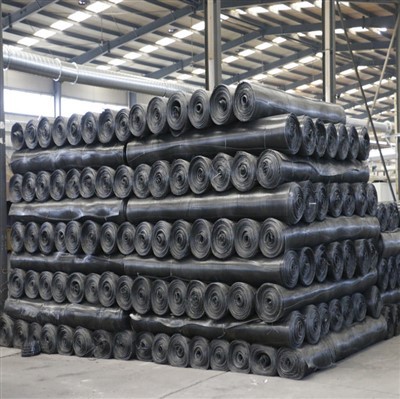
Geogrids are a type of geosynthetic material that have gained significant popularity in the field of civil engineering and construction. As a geogrids supplier, I have witnessed firsthand the diverse and impactful applications of these remarkable products. In this blog post, I will explore the main applications of geogrids and highlight their importance in various projects.
1. Soil Stabilization
One of the primary applications of geogrids is soil stabilization. Geogrids are used to reinforce soil and improve its load - bearing capacity. When placed within the soil, geogrids interlock with the soil particles, creating a composite structure. This interlocking mechanism distributes the applied loads over a larger area, reducing the stress on the soil and preventing soil movement and settlement.
For example, in road construction, geogrids can be installed at the base layer of the road. The Biaxial Plastic Geogrid is commonly used in this application. Its biaxial structure provides strength in both the longitudinal and transverse directions, effectively stabilizing the road base. This results in a more durable road surface that can withstand heavy traffic loads and environmental factors such as freeze - thaw cycles.
In slope stabilization projects, geogrids are also crucial. They can be used to reinforce the soil on slopes, preventing soil erosion and landslides. By anchoring the geogrid to the slope and covering it with soil and vegetation, a more stable slope can be created. This is especially important in hilly or mountainous areas where slope failures can pose a significant threat to infrastructure and human lives.
2. Retaining Wall Construction
Geogrids play a vital role in retaining wall construction. Traditional retaining walls often rely on massive concrete structures, which can be expensive and time - consuming to build. Geogrid - reinforced retaining walls offer a more cost - effective and efficient alternative.
In a geogrid - reinforced retaining wall, geogrids are placed horizontally within the backfill soil behind the wall. The geogrids provide tensile strength, which counteracts the lateral earth pressure exerted by the soil. This allows for the construction of taller and more stable retaining walls with a reduced need for large amounts of concrete.
The Triaxial Grid is well - suited for retaining wall applications. Its unique triaxial structure provides enhanced stability and load - distribution capabilities. The triangular shape of the grid cells allows for better interlocking with the soil, resulting in a stronger and more reliable retaining wall system.


3. Railway Track Bed Reinforcement
The railway industry also benefits greatly from the use of geogrids. Railway tracks are subjected to high dynamic loads from passing trains, which can cause track deformation and settlement over time. Geogrids can be used to reinforce the railway track bed to improve its performance and longevity.
By placing geogrids within the ballast layer of the track bed, the geogrids help to distribute the loads more evenly across the track. This reduces the stress on the ballast and subgrade, preventing excessive settlement and track misalignment. The Polyester Uniaxial Geogrid is often used in railway track bed reinforcement. Its high tensile strength in one direction provides excellent reinforcement for the track, ensuring a smooth and safe railway operation.
4. Erosion Control
Erosion is a major environmental concern, especially in areas with high rainfall or near water bodies. Geogrids can be used for erosion control in various settings.
On riverbanks and shorelines, geogrids can be installed to protect the soil from being washed away by water currents. The geogrids hold the soil in place, allowing vegetation to grow on the protected area. Vegetation further stabilizes the soil and helps to prevent erosion.
In agricultural fields, geogrids can be used to prevent soil erosion caused by water runoff. By placing geogrids on slopes or in areas prone to erosion, the soil is held in place, reducing the loss of topsoil and protecting the fertility of the land.
5. Landfill Liners and Covers
Geogrids are also used in landfill applications. In landfill liners, geogrids can be combined with other geosynthetic materials such as geomembranes to provide additional strength and stability. The geogrids help to distribute the weight of the waste over a larger area, reducing the stress on the liner and preventing punctures.
For landfill covers, geogrids can be used to reinforce the soil cover layer. This helps to prevent the cover from being damaged by wind, water, or the movement of equipment on the landfill surface. The use of geogrids in landfill applications helps to protect the environment by preventing the leakage of landfill leachate and reducing the risk of soil and water contamination.
6. Foundation Support for Structures
In building and infrastructure construction, geogrids can be used to provide additional support for foundations. When the soil conditions are poor, such as in soft clay or loose sand, geogrids can be installed beneath the foundation to improve the soil's load - bearing capacity.
The geogrids distribute the load from the structure over a larger area, reducing the settlement of the foundation. This is particularly important for large - scale structures such as industrial buildings, bridges, and high - rise buildings. By using geogrids, the need for expensive deep foundation systems can sometimes be reduced, resulting in cost savings and shorter construction times.
Conclusion
In conclusion, geogrids have a wide range of applications in civil engineering and construction. From soil stabilization and retaining wall construction to railway track bed reinforcement and erosion control, geogrids offer numerous benefits, including improved load - bearing capacity, reduced settlement, and enhanced environmental protection.
As a geogrids supplier, I am committed to providing high - quality geogrids that meet the diverse needs of our customers. Whether you are working on a small - scale residential project or a large - scale infrastructure development, our geogrids can help you achieve better results.
If you are interested in purchasing geogrids for your project, I encourage you to contact us for a detailed discussion. We can provide you with technical support, product recommendations, and competitive pricing. Let's work together to make your project a success.